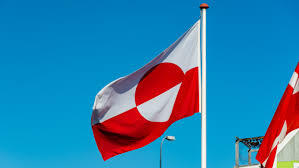
Greenland’s political leaders have strongly pushed back against U.S. President Donald Trump’s renewed comments about gaining control of their island, saying clearly that Greenlanders do not want to become Americans or part of the United States. The leaders stressed that their future should be decided by the people of Greenland — not by foreign pressure.
On January 10, 2026, leaders from all five major political parties in Greenland’s parliament issued a joint statement in response to Trump’s recent remarks. They said, “We don’t want to be Americans, we want to be Greenlanders,” and called for self‑determination and respect for their rights.
Greenland is a self‑governing territory that is part of the Kingdom of Denmark. It has its own parliament and local government, but it still relies on Denmark for defense and foreign affairs. The island is home to around 57,000 people and has a unique culture and identity that its residents are proud of.
Trump’s comments come after he once again expressed interest in acquiring Greenland, saying the U.S. needs the territory to keep China and Russia from gaining influence in the Arctic region. Trump said the United States should have Greenland “whether they like it or not,” and suggested the possibility of using force if necessary, though he has not given specific details.
The renewed push on Greenland follows other bold foreign policy moves by the current U.S. administration. Trump and his advisers have described Greenland as a strategic priority for U.S. national security, especially because of its location near the Arctic Circle and its potential resources. Some U.S. officials have even discussed options like purchasing the island or expanding military presence there.
But Greenlandic leaders and citizens have made it clear that they reject the idea of becoming part of the United States. In addition to the joint parliamentary statement, the Greenlandic parliament has moved up a planned meeting to discuss how to respond to U.S. pressure and protect the island’s interests. The leaders said that Greenland’s future should be decided by Greenlanders only, without any interference from other countries.
Denmark’s government has also spoken out, warning that any attempt to take control of Greenland by force or without Greenland’s consent could harm international alliances like NATO and threaten security cooperation in the Arctic. Danish Prime Minister Mette Frederiksen has been firm that Greenland is not for sale and that its sovereignty should be respected.
Recent surveys show that most Greenlanders do not want to become part of the U.S, with about 85% of the population saying they would rather keep their current status or work toward full independence. Only a few people in Greenland support joining the United States, and even fewer Americans agree with using the military to get Greenland.
The debate over Greenland’s future reflects wider questions about national identity, sovereignty, and the interests of global powers in the Arctic. As climate change opens up new shipping routes and access to natural resources, the Arctic has become strategically more important to many countries — including the United States, Russia and China.
For now, Greenland’s leaders are standing firm. They have made it clear that their decisions will be based on the will of the Greenlandic people, not on pressure from powerful nations. Whether this stance leads to new diplomatic agreements, increased independence from Denmark, or continued cooperation with global powers, Greenland’s future is now a central topic in international politics