The U.S. farm economy is facing major problems. Farmers across the United States are dealing with low crop prices, high costs to run their farms, and less number of jobs in farming communities. These problems are affecting farmers and workers in many rural areas.
For many years, farmers have been earning less money from their crops. Large harvest of corn and soybeans have pushed prices down. Even though farmers produced a large amount of grain last year, they are earning less because the market is oversupplied and buyers are paying less.
At the same time, the cost of running a farm keeps going up. Things like fertilizer, seeds, fuel, and equipment are more expensive than before. These higher costs make it hard for farmers to make enough money to cover their expenses.
Because of this pressure, many farmers are having trouble borrowing money from banks. Some banks are refusing new loans or cutting credit right when farmers need cash to plant crops or pay workers.
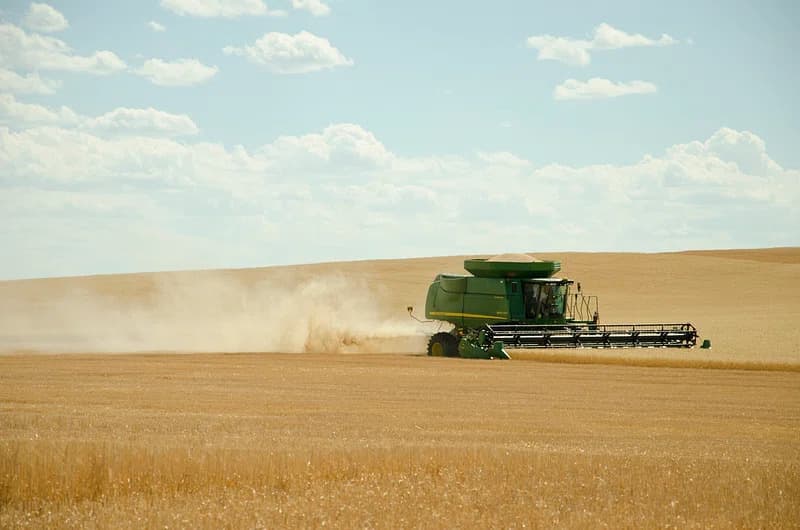
The low prices and high costs are also causing job losses. Thousands of workers have lost jobs as meat factories shut down and large farm equipment companies reduce staff. Tractor and combine sales have dropped suddenly, forcing some factories to cut jobs as demand decreases.
In many rural areas, the problem affected more than just farms. When farm businesses struggle, local services like schools, hospitals, and shops are also under pressure. Economists warn that these wider impacts could effect entire rural communities if the problems doesn’t stop.
Farm leaders and experts say that solving these issues will be difficult. They say that trade issues, like reduced sales to countries such as China because of tariffs and trade moves, have made things worse for farmers. At the same time, federal aid programs, including a recent $12 billion support package, have helped only a little and may not be enough to make things better.
Some of the problems happen because farmers can’t control the market. Even when farmers grow more crops, prices can fall due to too much supply in the global market. That means more production does not always lead to higher income.
Some experts also point to other other problems making farming more difficult. Loans that help farmers to manage debt and stay in business are being used more often, but its not enough. In the first nine months of 2025, Most of the farmers are going bankrupt.
Many farmers say they feel stuck between rising costs and less income. Some are using older equipment instead of buying new machines because they cannot afford the prices. Others are worried about how they will pay off debts and keep their farms running.
The combination of low crop prices and high production costs is expected to continue into 2026. Government data shows that even if farmers grow a lot of crops, they may not earn enough money to cover expenses.
Production costs such as fertilizer are projected to stay high, and access to loans becoming difficult, making it harder for farmers to plan budget for future seasons. This means many farmers could keep losing money unless crop prices go up or the government helps them.