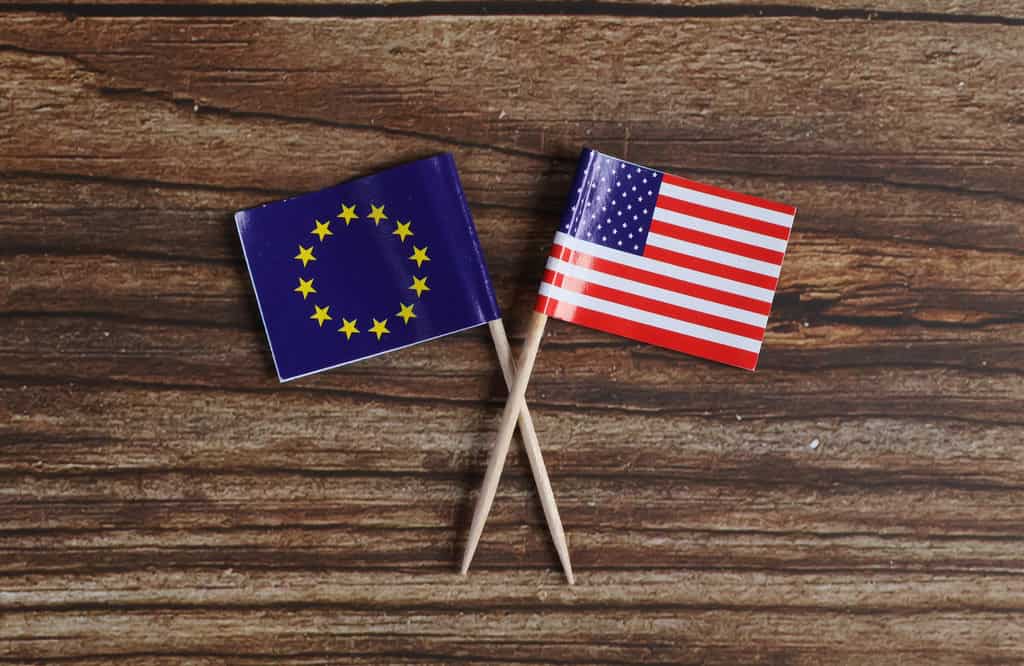
The European Union (EU) has stopped moving forward with a new trade deal it was planning with the United States because of recent tariff threats linked to Greenland. This decision came after U.S. President Donald Trump said he would charge extra taxes on goods from several European countries.
The trade deal was first agreed in July 2025 and was expected to make trade between the EU and the United States easier. European leaders were planning to approve it soon. But Trump’s new threats related to Greenland have made the situation difficult.
Trump said that starting February 1, 2026, he would impose a 10% tariff on imports from eight European countries unless the United States could make progress on his plan to take control of Greenland. The tariff would increase by 25% by June 1, 2026, if they did not make a deal.
The countries that could be affected include Denmark, Norway, Sweden, France, Germany, the United Kingdom, the Netherlands, and Finland. These nations did not agree with Trump’s statements and supported Denmark’s control over Greenland. European leaders strongly criticised the tariff threat and said it could damage relations between the EU and the United States.
Because of these tariff threats, the European Parliament has decided to pause the approval of the trade deal. Lawmakers said that it is not the right time to approve the agreement when there is uncertainty about U.S. trade policy and growing tensions over Greenland.
European leaders have also warned that Trump’s threatened tariffs could damage old relations and cooperation between the U.S. and Europe. Many European officials said trade problems should be solved through calm discussion, not by threatening big taxes that could hurt people and businesses on both sides.
Some members of the European Parliament say they are ready to respond if Trump continues with the tariffs. They are talking about possible counteractions, including new taxes on American goods, but they want to first try discussion and diplomacy with the U.S. instead of starting a full trade war.
The situation shows how trade agreements between major world powers can be affected by politics and disagreements. The EU and the U.S. had hoped that the trade deal would help both sides by reducing tariffs and making trade easier. But the ongoing conflicts over Greenland have put the deal on hold for now.
Many business leaders and economists are watching closely because the paused deal could affect markets in Europe and the U.S. Some people are concerned that uncertainty may slow economic growth, while others say that protecting national interests is more important than business deals.
The pause in the trade deal comes at a time when the U.S. and EU both face economic challenges and are trying to balance trade, security, and political relationships. What happens in the next few weeks could affect trade between the world’s two biggest economies.
No new date has been set for when the EU might restart the approval process. For now, leaders on both sides say they want to solve the issue through talks and negotiations instead of going straight into higher trade taxes.