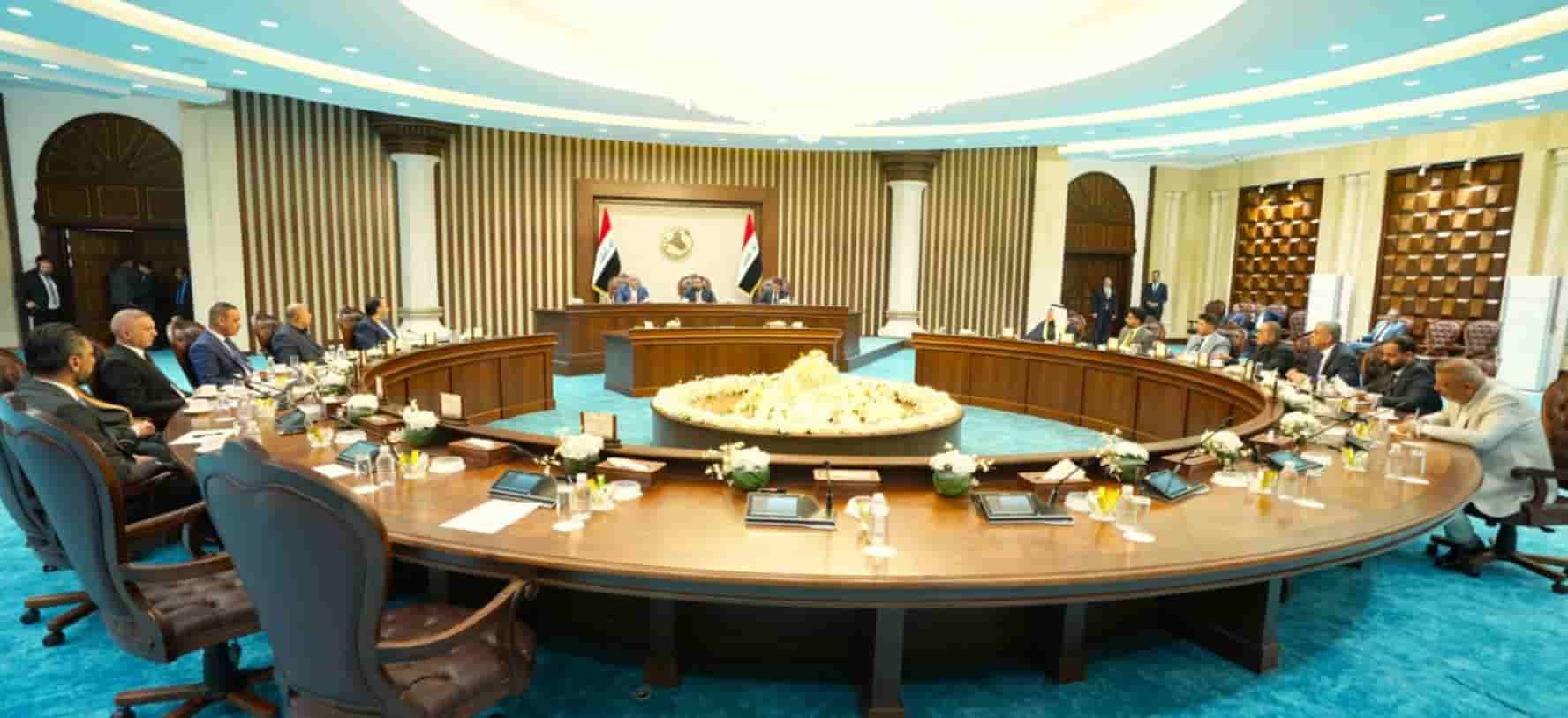
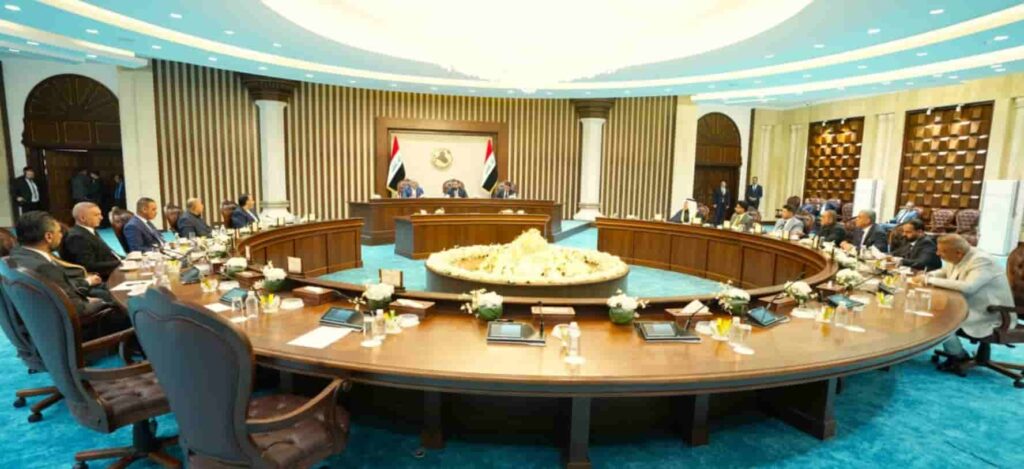
Iraq’s parliament is scheduled to meet on Tuesday to choose the country’s next president. This session is an important step in forming the new government after the parliamentary elections held in November 2025. Members of the Iraqi Council of Representatives will vote for the president from a list of candidates.
Speaker Haibat al‑Halbousi announced that the members of parliament will gather this week to cast their votes for the countries next president. The current president, Abdul Latif Rashid, is one of the 19 candidates who are competing to become president, with their old political leaders such as Foreign Minister Fuad Hussein.
In Iraq’s political system, the position of president is mostly for show, but it still plays a key role in the government. After the president is elected, he will have up to 15 days to name a person to serve as prime minister. The prime minister is usually chosen by the largest political group in parliament and then must choose a team of minister who must be approved by other members.
Under Iraq’s power‑sharing system, different top posts are often given to representatives of the country’s major communities. The presidency is usually held by a Kurd, the prime minister by a Shia Muslim, and the speaker of the parliament by a Sunni Muslim. This system is designed to distribute power between different communities equally.
This week, Iraq’s parliament will meet to complete the government, after two months of national election. The constitution says parliament has one month from its first session to vote for the president. Members are now working to finish this before the end of January.
The vote for president requires enough members to be present in the meeting. If no candidate gets the required number of votes in the first round, a second round may be held between the top two candidates. The candidate who wins the most votes in that round becomes the new president.
The choice of president is likely to change that who will be the next prime minister. A major political group in parliament has chooses former prime minister Nouri al‑Maliki as its preferred candidate for the next prime minister post once the president is in charge. This shows how the election for president is closely linked to the next steps in forming the government.
The upcoming election is closely watched in Iraq and around the world. Iraq’s new government will decide how the country deal with problems like economical issues, political disagreements, and security challenges. The parliament’s decision this week will be a major step toward finalizing Iraq’s leadership after months of political discussions.
Iraq’s president plays a symbolic role and represents the nation in official matters, but the choice still matters because it affects who will lead the country as prime minister. With involvement of multiple candidates and political groups, the result of the vote will show how Iraq’s leaders are working together to form a government.