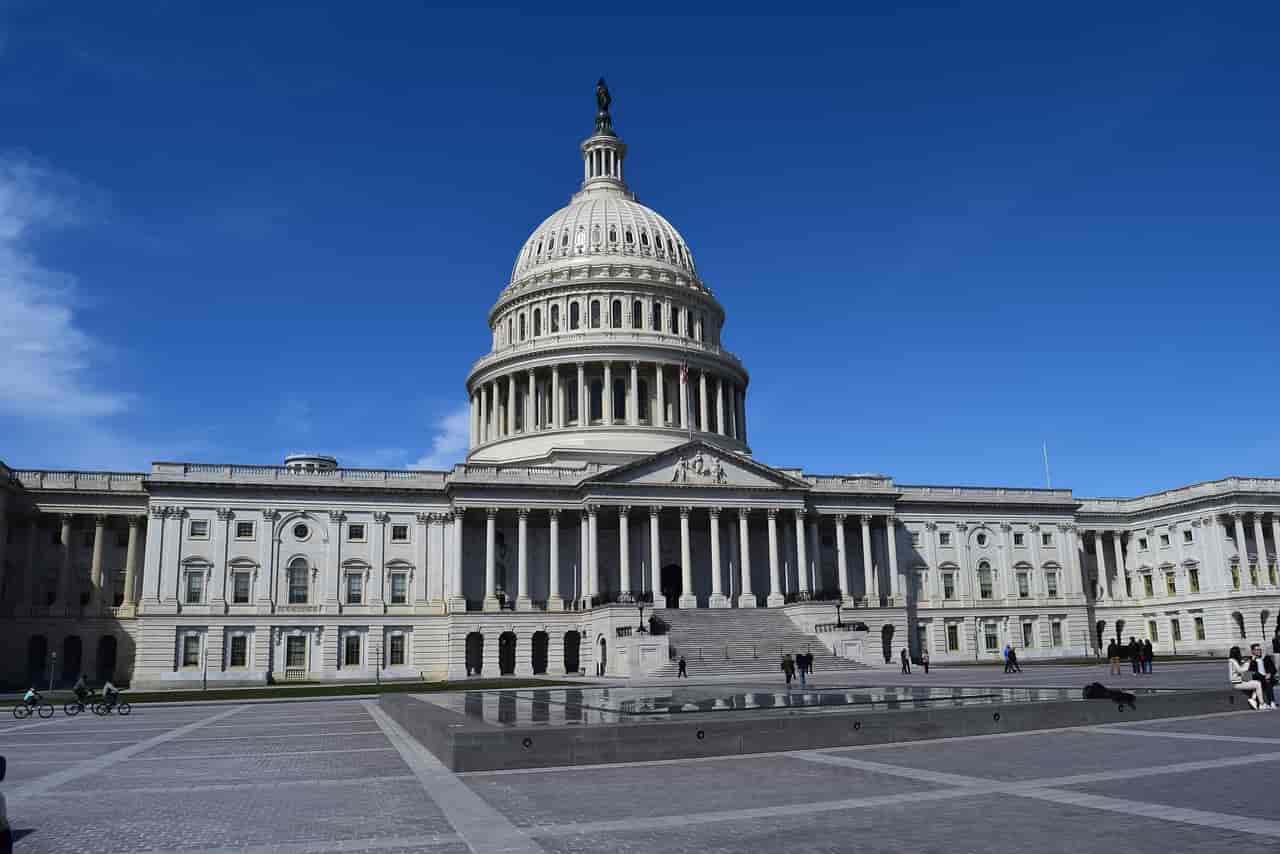
The U.S. Congress has begun voting on a special resolution on March 4, 2026 that could limit the president’s ability to continue military actions against Iran without approval from lawmakers. The vote comes after recent strikes in the Middle East, including attacks that have pushed the United States into a deeper conflict with Iran.
The resolution being voted on this week is known as a war powers resolution. It is designed to require that any further military actions against Iran must be approved by Congress before they can continue. The goal of this resolution is to ensure that all lawmakers agree before any important decision is made about the United States involvement in the conflict.
Supporters of the resolution say the Constitution gives Congress the power to decide when the country goes to war, and they want to use that power to limit more military actions without clear approval. Democratic Senator Tim Kaine of Virginia is the leader of this resolution in the Senate, and he has said lawmakers need to be part of decisions on these serious matters. Some Republicans, including Senator Rand Paul of Kentucky, have also expressed support for the effort.
Opponents of the resolution, particularly many Republican leaders, argue that the president has the authority to protect the nation and should not be limited by lawmakers at this time. They say the president is acting to defend national interests and that limiting military decisions could weaken America’s ability to respond external threats.
The vote shows how members of Congress view the conflict and the balance of power between the congress and the president. For lawmakers, this is the first time when they are officially voting on a matter related directly to the conflict with Iran. Some members see this as a chance to strenghthen Congress’s role in decisions about war and peace.
In the House, lawmakers are also working on a similar resolution that would require congressional approval for continued military action. These measures have been discussed for weeks as tensions have increased in the Middle East, and they represent a significant moment in U.S. politics.
If the resolution passes both the senate and the house, it could force changes in how the U.S. engages in military activity in Iran. But when the final decision reaches the president, he could still reject it with a veto. A presidential veto can only be reversed by a two‑thirds majority in both the Senate and the House, which is a difficult threshold to achieve, especially with the current balance of Congress.
The debate over this war powers resolution highlights serious concerns about how the United States should manage foreign policy and military operations. Both sides of the discussion agree that the conflict’s consequences are serious, but they disagree on the best way for the country to act and make decisions.
Lawmakers are expected to continue debate and voting on these resolutions throughout the week. Many citizens and political observers are paying close attention to the outcome, because it could set an important law for how future conflicts are managed by the U.S. government.