Airline leaders across Europe have warned that a new plan by the European Union to expand carbon costs could lead to higher ticket prices for passengers and also increase the cost of transporting goods. They say the proposal could put extra financial pressure on airlines at a time when the industry is already dealing with high fuel prices, staff costs, and supply chain problems.
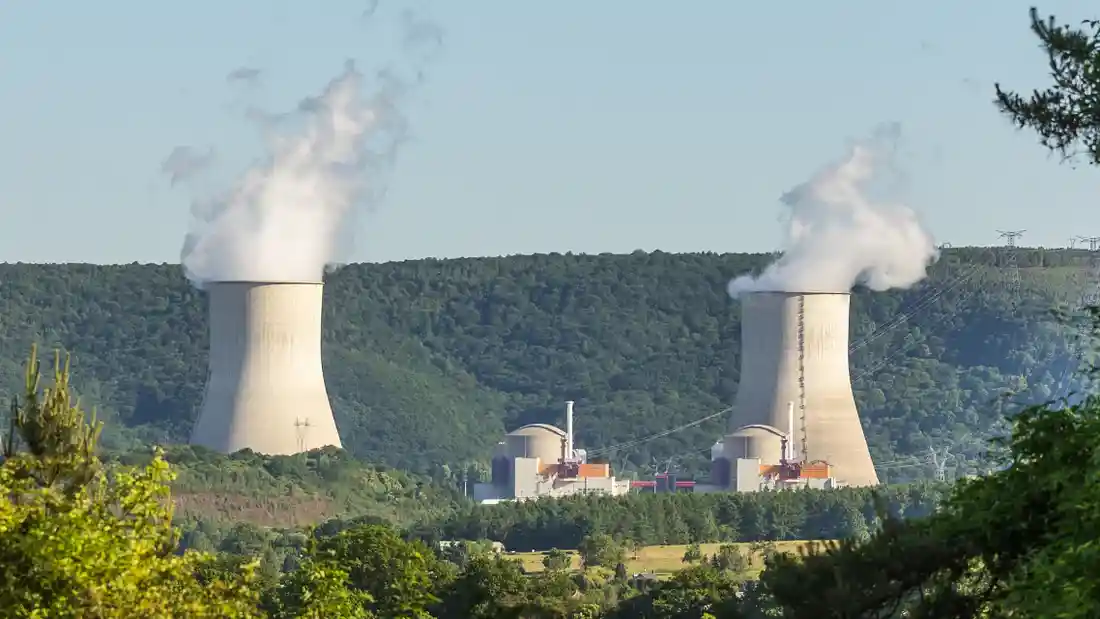
According to reports, the European Commission is considering expanding its Emissions Trading System, also known as ETS. This system requires companies, including airlines, to buy permits for the carbon they release into the air. These permits are limited in number, and their cost increases over time. The main goal is to reduce pollution and encourage cleaner and more environmentally friendly transportation.
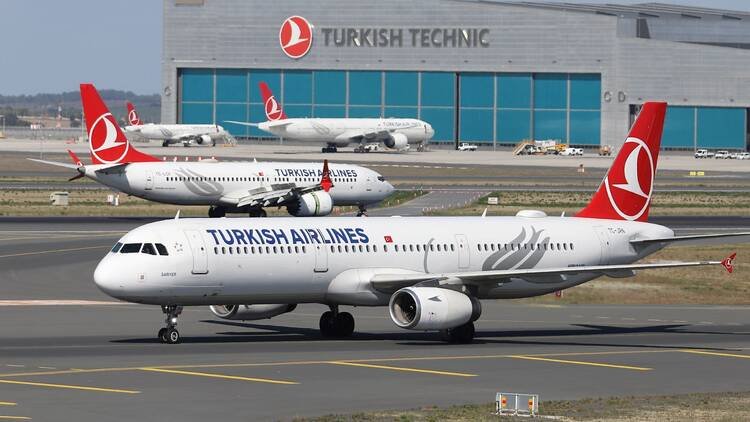
Right now, the ETS mainly applies to flights within Europe. The new plan would expand it to cover international flights that depart from the European Union. Airline executives say this change would significantly increase operating costs, especially for long-distance flights between Europe and other parts of the world.
European Union officials say the plan is important for achieving climate goals. They believe the aviation industry must take stronger steps to reduce greenhouse gas emissions. By expanding the system, the EU aims to encourage airlines to use cleaner fuels and more fuel-efficient aircraft.
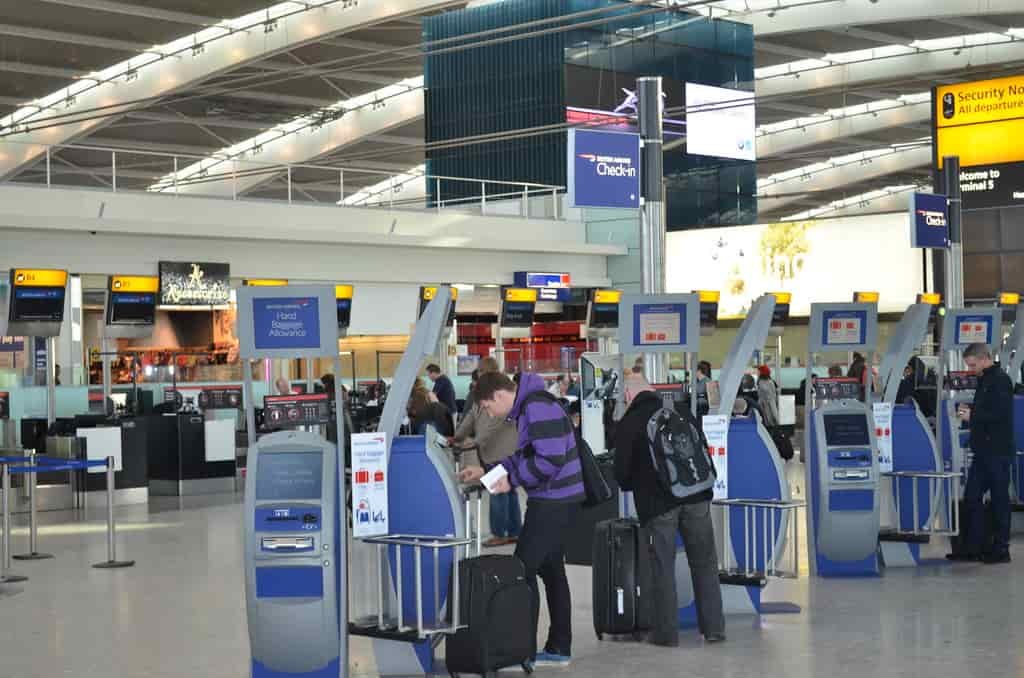
However, airline chief executives strongly disagree with the timing and impact of the plan. In a joint statement, leaders from major airlines such as Air France-KLM, Lufthansa, and Ryanair said the new rules could force airlines to increase ticket prices for passengers. They warned that higher fares could reduce demand for air travel, especially for budget airlines and short trips within Europe.
The airline industry is already dealing with multiple challenges. Fuel prices are high, new aircraft deliveries are delayed, and many airlines are still recovering from financial losses caused by previous global crisis. Industry leaders say that adding more costs related to carbon emissions at this time could slow down recovery and damage their position in the market.
Airlines mentioned CORSIA, which is a global system used to control and reduce carbon emissions from international air travel. They say this system already works to control emissions from international flights and that adding a separate European system could create confusion and extra costs for airlines.
On the other hand, the European Commission argues that depending only on global systems is not enough. Officials believe the EU must take stronger regional action to meet its environmental goals and ensure all airlines flying in and out of Europe follow strict and fair rules.
Experts say this disagreement shows challenges between climate protection goals and economic pressure on businesses and consumers. While environmental policies aim to reduce pollution and fight climate change, companies warn that sudden changes could increase travel costs and reduce demand.
If this proposal moves forward, airlines may need to change ticket prices, review flight routes, and invest more in fuel-efficient technology. The final decision is still under discussion, and European leaders are expected to continue reviewing both environmental benefits and industry concerns before giving final approval.