The European Commission has introduced its 21st package of sanctions against Russia as the European Union continues efforts to increase economic pressure on Russia over the war in Ukraine. This new proposal targets important parts of the Russian economy, including banks, energy exports, shipping networks, and financial services that officials think are used to support Russia’s military activities.
European Commission President Ursula von der Leyen said this latest package is designed to reduce Russia’s ability to generate income and access resources that could support the war. European officials said that the sanctions are focused on those areas that provide strong income support to the Russian government.
One of the biggest parts of these sanctions focuses on Russia’s banking sector. The European Union plans to include more Russian banks on its sanctions list and apply strict rules on financial transactions. Officials say these steps will make it harder for Russian banks to work with other countries, use foreign markets, and do business with companies outside Russia.
This new package also targets cryptocurrency services. European officials say digital money platforms may have been used to avoid current rules. This new plan would give the EU more power to act against companies and groups that help Russia avoid sanctions.
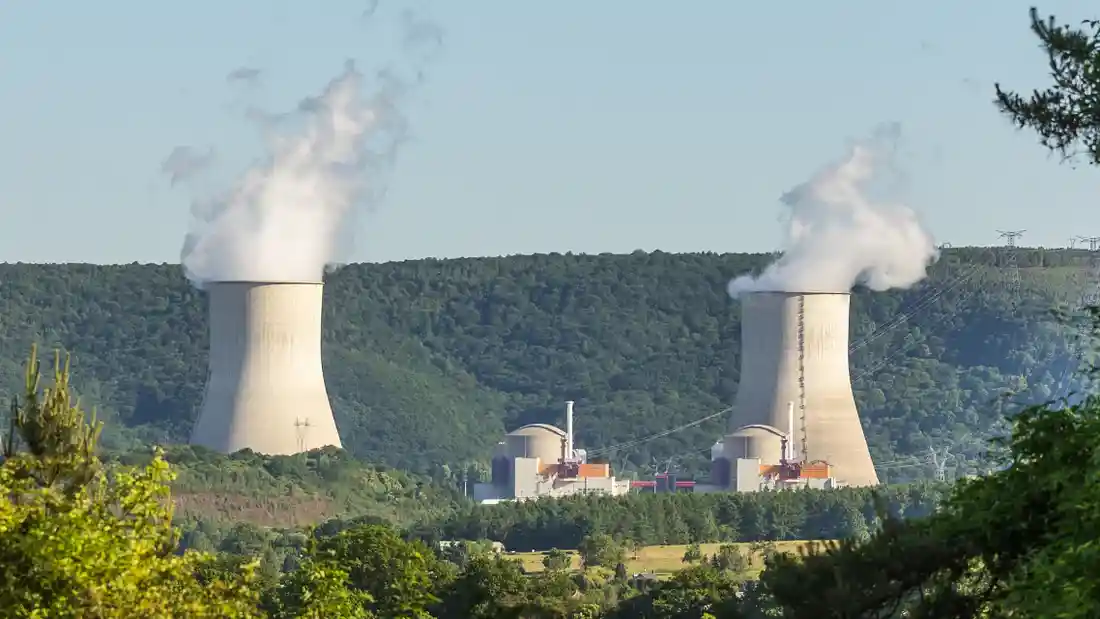
Another major focus is Russia’s energy industry, which is country’s main sources of income. The European Commission has suggested keeping the current system that limits Russian oil prices while also continuing efforts to reduce the income earned from Russian oil exports. European leaders say that lowering this energy income is an important way to weaken Russia’s financial strength.
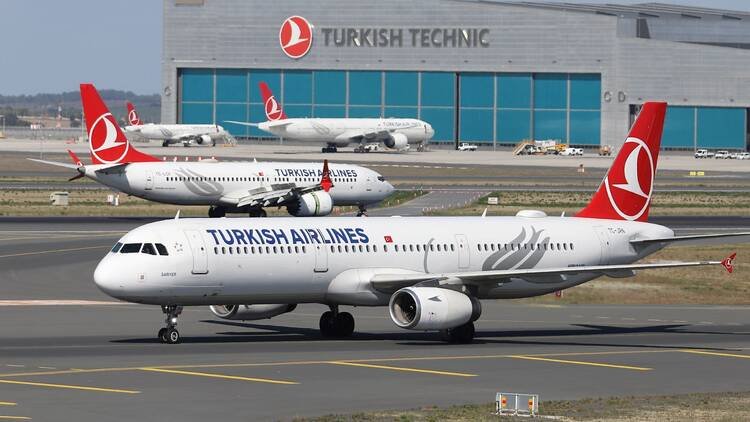
This sanctions package also targets Russia’s shadow fleet. Shadow fleet is a network of ships that are used to transport Russian oil and other goods through routes designed to avoid international restrictions. The European Union plans to add more vessels to its sanctions list and impose more limits on companies linked to these operations.
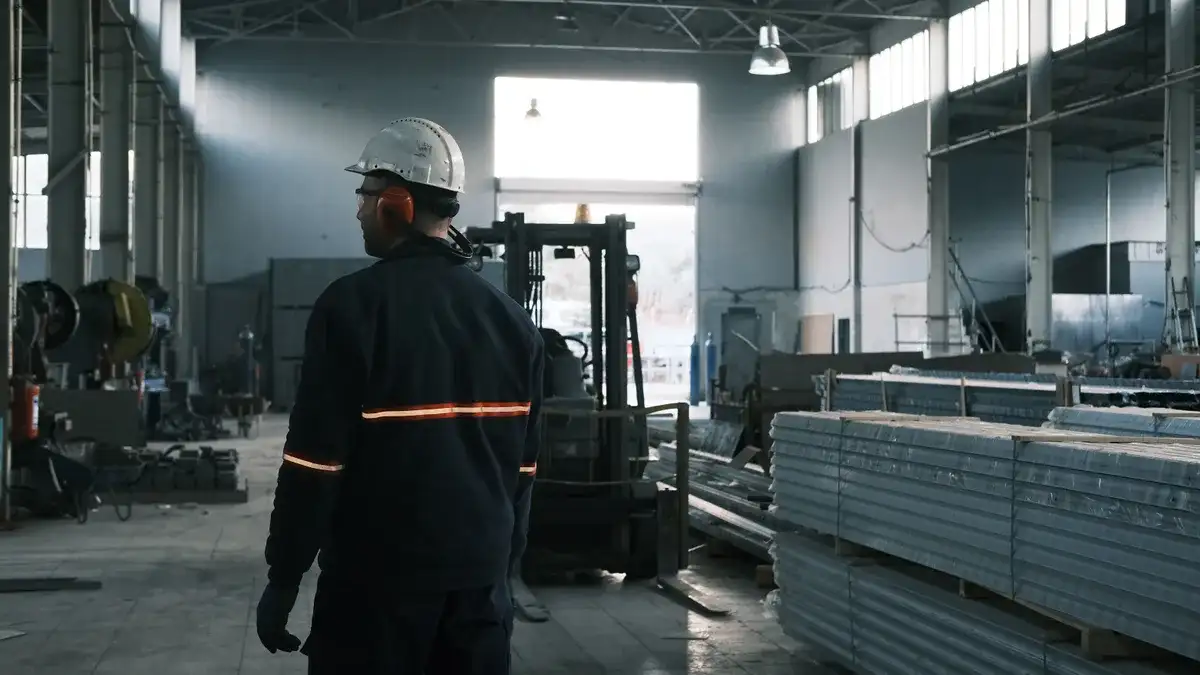
In addition, the plan includes limits on some industrial materials, metals, and products that could support Russia’s factories and defense industry. European officials say that limiting access to these items could make it harder for Russia to keep production running in important industries over time.
The package also includes actions against people and organizations accused of helping Russia to avoid sanctions. EU leaders say stronger rules are needed because some groups continue to find ways to bypass current sanctions by using other countries and different business routes.
Supporters of this new sanctions package say that continued economic pressure is necessary to reduce Russia’s financial power and help bring peace to the conflict. They believe that sanctions have already reduced Russia’s access to important technology, financial services, and international markets.
However, some experts point out that sanctions can also create challenges for businesses and trade partners. They say policymakers must carefully balance economic pressure with the need to maintain stable global markets and supply chains.
This proposal will now be reviewed by EU member states before a final decision is made. Approval from all member countries is required before the sanctions can be applied. If approved, the 21st sanctions package will become another significant step in reducing Russia’s economic resources and maintaining support for Ukraine during the ongoing conflict.