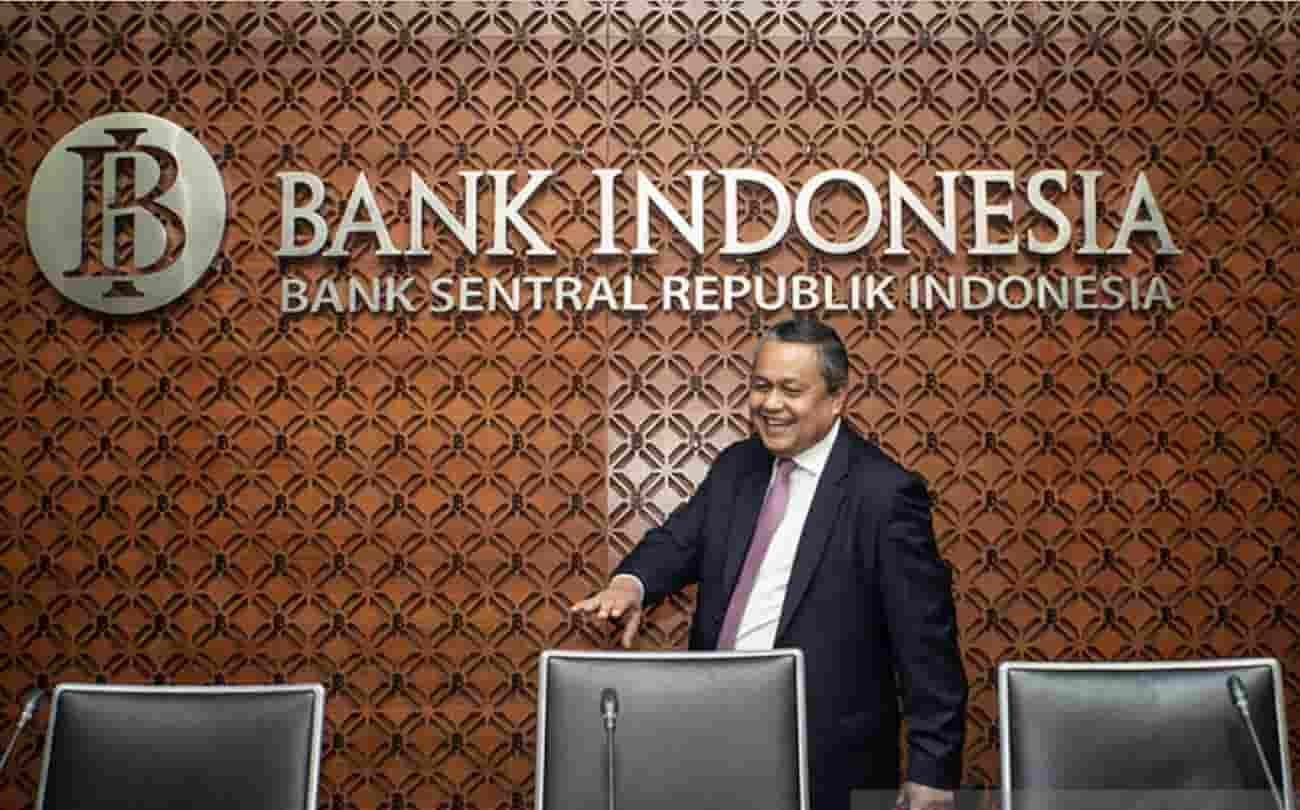

Indonesia’s central bank governor, Perry Warjiyo, stepped down from his job. Perry Warjiyo sent his resignation letter to the government, and President Prabowo Subianto accepted his resignation.
State Secretary Prasetyo Hadi shared the news with reporters on Monday morning. He said Warjiyo gave only “personal reasons” for leaving his post. Warjiyo did not meet with the president in person before he resigned. The government thanked him for his years of service.
The resignation came as a big surprise to many economists and local people. Warjiyo still had nearly two years remaining in his second term, which was scheduled to end in 2028.
Senior Deputy Governor Destry Damayanti will now serve as acting governor. She will lead the bank until the government selects someone new for the permanent job. Under Indonesia’s central bank law, this kind of temporary handover happens automatically when a governor leaves early.
Warjiyo first joined as deputy governor back in 2013. He became the bank’s top governor in 2018. Indonesian officials gave him a second five-year term in 2023. During his time as governor, he played a key role in guiding the country’s economy through the hard years of the COVID-19 pandemic.
This change comes at a very tough time for Indonesia’s economy. The Indonesian rupiah, hit a record low back in June and now ranks as one of the weakest currencies in all of Asia this year.
Global factors are contributing to the challenge. Rising energy prices, due to tensions between the United States and Iran, have put pressure on countries that depend heavily on imported oil and gas. Indonesia is one of those countries.
Local issues are also putting additional pressure on Indonesia. President Prabowo aims to accelerate Indonesia’s economic growth from around 5% to as much as 8% annually. This has increased pressure on Bank Indonesia to support stronger economic growth while continuing to maintain price stability.
Last month, Indonesia’s parliament passed a new law that gives the central bank a bigger role in supporting economic growth. This law also allows lawmakers to make strong recommendations to the bank and other financial regulators. Some experts worry this new law could weaken the bank’s independence from politics.
People now wonder who will become the next governor of bank Indonesia. Some think Finance Minister Purbaya Yudhi Sadewa could get the job. Others believe the president might pick Deputy Finance Minister Thomas Djiwandono instead. The result could have a significant impact on future of Bank Indonesia.
Warjiyo’s resignation follows another high-profile departure. Former Finance Minister Sri Mulyani Indrawati also stepped down from her position earlier this year. Losing two well-known economic leaders in a short time has made investors confused about Indonesia’s financial future.
Financial markets reacted quickly. The rupiah weakened even further right after the news, making investors more concerned about the central bank’s independence.
Bank Indonesia says it will keep working to protect the rupiah and support financial stability during this leadership change. The government has not yet announced a timeline form appointing Warjiyo’s permanent successor.