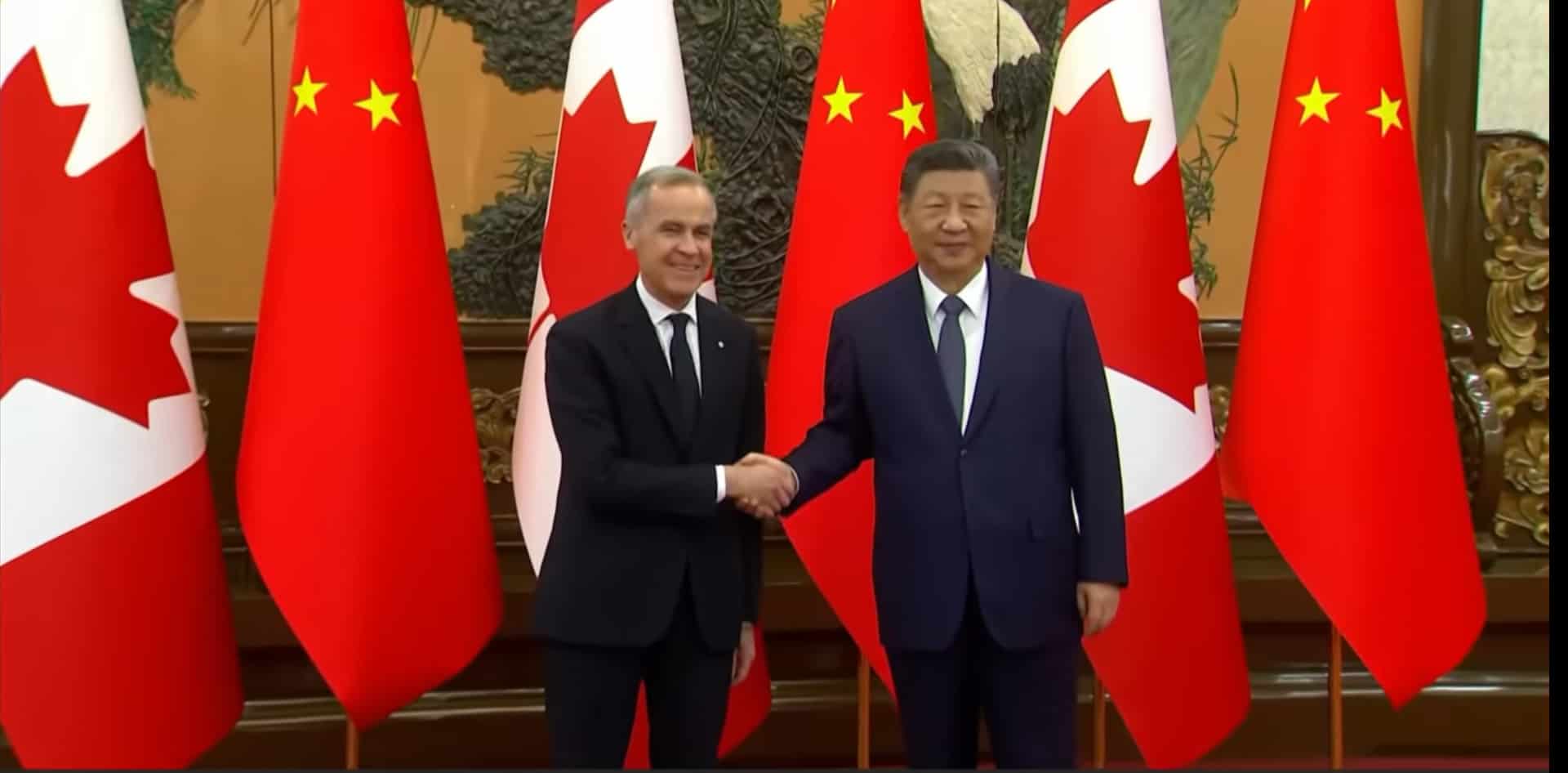
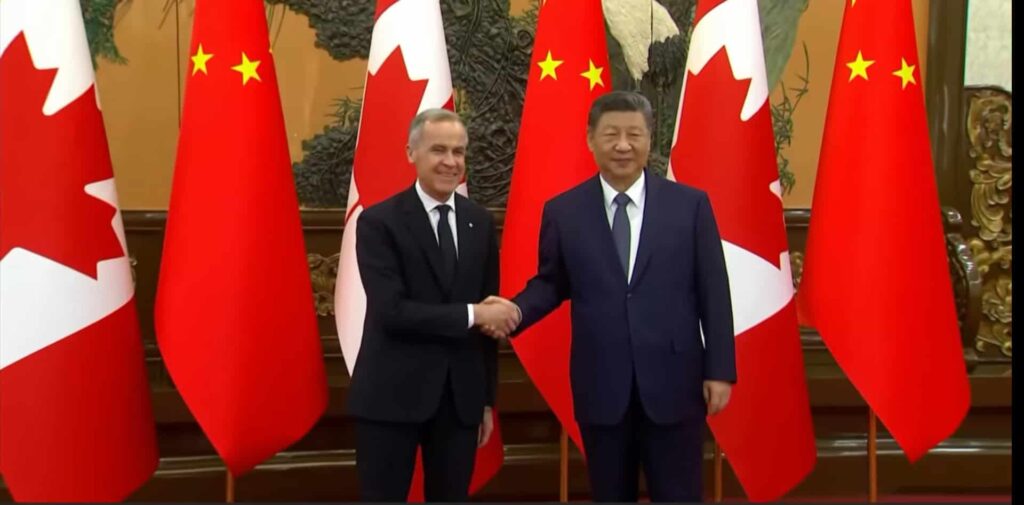
Canada has recently made a major decision to allow Chinese electric vehicles enter its market again after years of strict limits. This change comes as part of a new trade deal with China that also lowers tariffs on Canadian farm products like canola seeds. This decision has surprised many people and made some car makers and workers worried about the future of Canada’s auto industry.
Under the new plan, Canada will allow up to 49,000 Chinese electric vehicles per year to be sold at a lower tariff rate of 6.1%, down from the previous very high 100% tariff . After five years, the number may rise to 70,000 vehicles each year. Still this number is a small part of the total car market in Canada, it is seen as a big change from past policy.
Prime Minister Mark Carney says this deal is a chance for Canada to grow its economy and make its auto industry stronger. He says that inviting Chinese EVs into the country could bring new investments, help Canadian workers, and help local car makers to stay competitive in a changing global market. He also said that the deal includes limits on how many vehicles can be imported, so it starts small.
The plan aims to give Canadians more affordable options when buying electric cars. Many Chinese EV companies make models that cost less than many other locally made electric vehicles, which could help more people to buy reliable electric cars. This is one of the reasons Carney and other supporters see this as a positive move.
But not everyone agrees. Some officials and industry experts say the deal could affect Canadian auto workers and local car companies. Ontario Premier Doug Ford warned that allowing cheaper Chinese vehicles might make it tougher for Canada’s local vehicles to sell, especially in markets like the United States, where many Canadian vehicles are exported. Critics fear that more imports could hurt jobs in factories that build cars and parts.
Labor unions that represent auto workers have also shared their opinions. They worry that Chinese EV imports could create unfair competition because Chinese automakers sometimes get strong government support that helps them sell at lower prices. These workers say that unless Canada protects its own workers, jobs might be lost or the industry could go down.
Trade experts say the situation is a mix of chances and challenges. On one hand, lower tariffs and more imports can give consumers more choices and lower prices for electric cars. On the other hand, there is worry that Canada might become dependent on outside suppliers instead of growing its own auto industry. Some also point out that the United States has high tariffs on Chinese EVs, and Canada’s new deal goes in a different direction.
The deal also includes a major change: China will reduce its own high tariffs on Canadian canola seeds and other farm products. This part of the agreement aims to support Canada’s agricultural exporters in return for opening the EV market.
For now, Canadian officials say they want to keep a balanced approach. They argue that controlled imports of Chinese EVs, combined with investment and job opportunities in Canada, can help the country to remain competitive. Supporters hope this step will increase new chances for partnership and jobs instead of damaging the current market
But many Canadians, especially in the auto sector, remain unsure about what this change will mean for their jobs and future. They are waiting to see how Chinese electric vehicles entering the Canadian market will affect prices, sales, and local work in future.