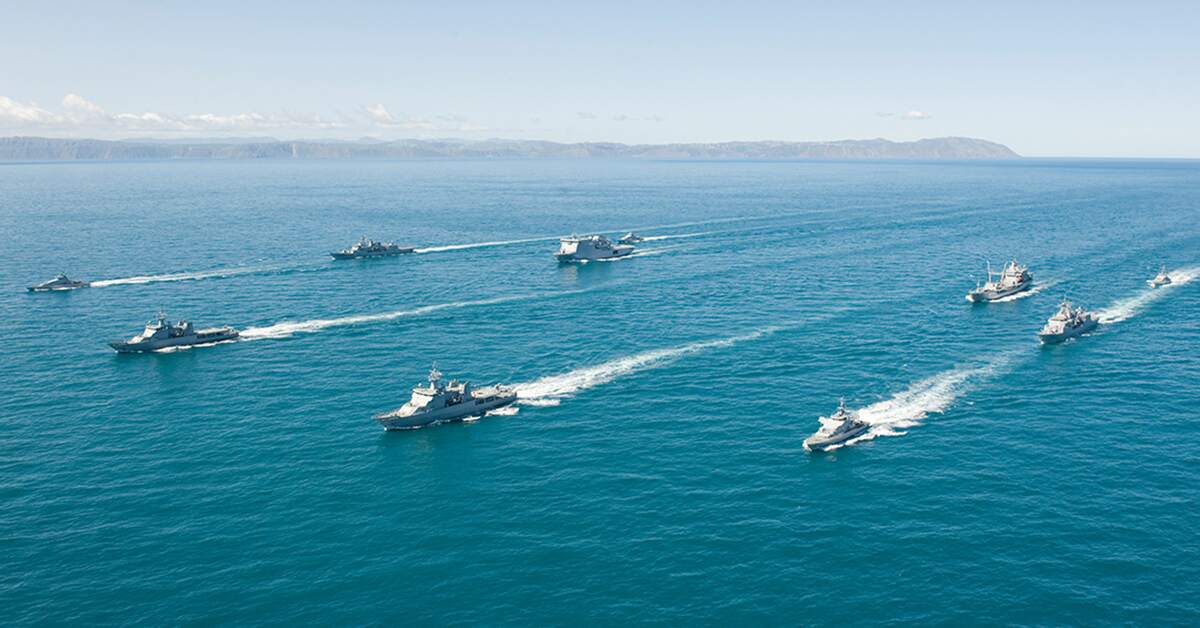
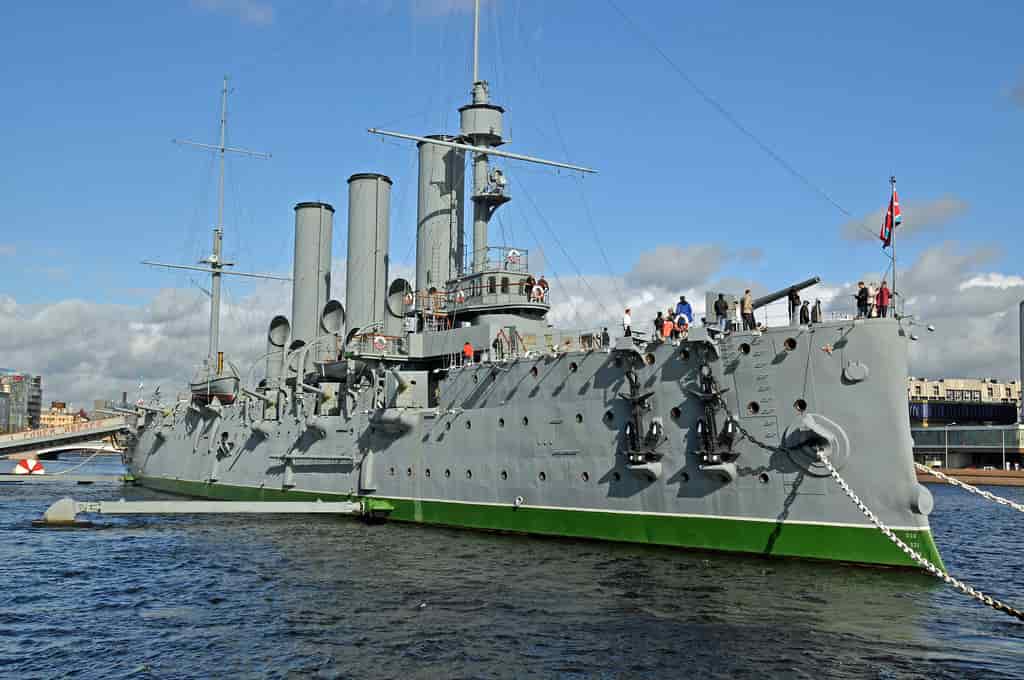
China, Russia and Iran have started joint naval exercises under the BRICS Plus framework in the waters near South Africa. The drills began on January 10 and are being held close to the port of Simon’s Town, near Cape Town. According to officials, the exercises focus on maritime security, search and rescue operations, and improving coordination between the participating navies.
The naval drills come at a time when global political tensions are rising, especially between Western countries and nations that are part of the BRICS group. While officials say the exercises are meant to promote peace and cooperation, many international observers see them as a sign of growing military coordination among non-Western powers.
BRICS was originally formed by Brazil, Russia, India, China and South Africa to strengthen economic cooperation among emerging economies. In recent years, the group has expanded under the idea of “BRICS Plus”, bringing in new partners and increasing cooperation beyond trade and finance. Military cooperation, including joint drills, has now become a more visible part of this growing alliance.
This is not the first time China, Russia and Iran have carried out joint naval exercises. Similar drills have taken place in the Indian Ocean and the Gulf of Oman in previous years. However, holding these exercises in South African waters adds new importance, as the region is close to major global shipping routes used for international trade.
South Africa has stated that the exercises are not directed against any country. Defence officials say the goal is to improve the ability of navies to work together during emergencies such as piracy, natural disasters, and maritime accidents. They also say such drills help ensure the safety of sea routes that are vital for global commerce.
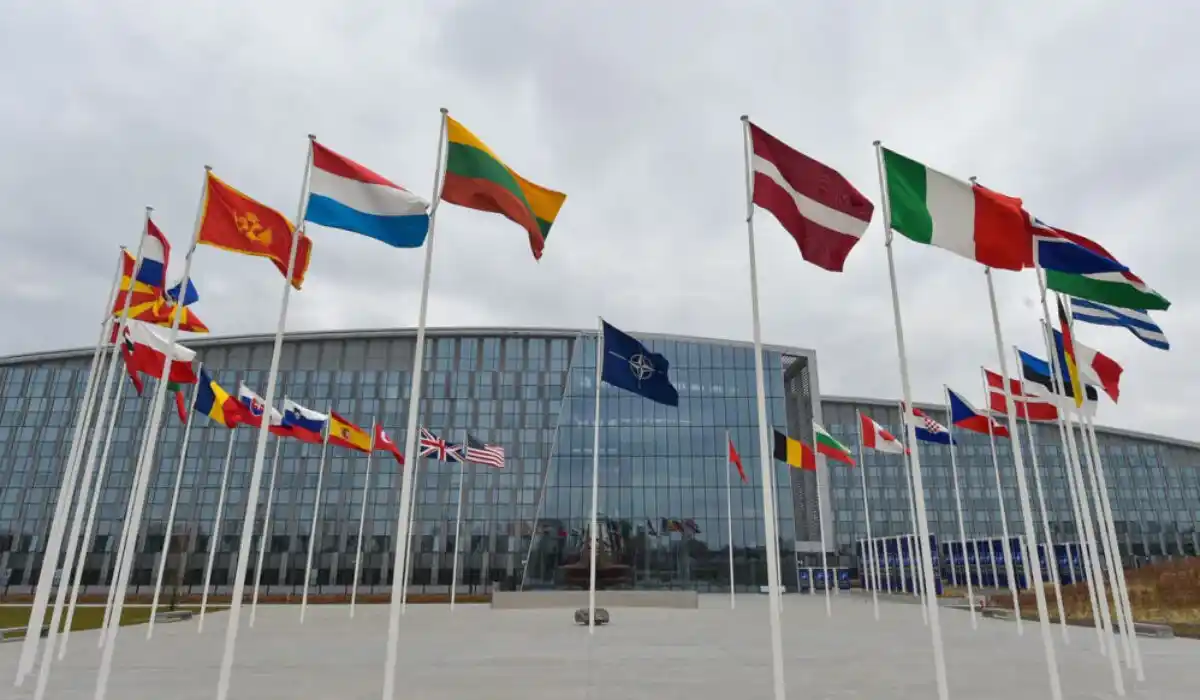
Despite these assurances, the exercises have drawn attention from Western countries, particularly the United States and its allies. Analysts believe the drills send a political message, showing that China, Russia and Iran are strengthening ties and expanding their influence in key regions of the world. This is especially important at a time when Russia faces sanctions, Iran remains under pressure over its nuclear program, and China has tense relations with several Western nations.
Financial markets also reacted cautiously to the news, as geopolitical events often affect investor confidence. Any signs of increased military cooperation among major powers tend to raise concerns about future global stability, especially in regions critical to trade and energy supplies.
Looking ahead, experts say these exercises could have long-term effects. They may lead to more frequent joint military activities under the BRICS Plus banner, increasing the group’s role not only in economic matters but also in security affairs. This could slowly change the global balance of power and reduce Western influence in certain regions.
For now, the naval drills are expected to continue over the coming days, with warships from all three countries taking part in planned exercises at sea. The international community will be watching closely to see how this growing cooperation among BRICS Plus nations develops and what it may mean for global politics in the future.