
China has officially launched its renewable energy plan for the 15th Five-Year Plan period, which the National Energy Administration announced on Thursday. Two government groups worked together on this plan. The National Development and Reform Commission joined the National Energy Administration to release this document.
The plan covers the five-year period from 2026 to 2030. It is part of China’s broader 15th Five-Year Plan, which sets development goals for the country’s economy. The new energy plan focuses only on clean power.
The plan says China’s clean energy industry will enter a new stage of growth. It aims to expand clean energy, improve its quality, and replace more traditional energy sources. This means clean energy will continue to grow and gradually take the place of coal, oil.
The plan also explains term of renewable energy in a simple way. It says that renewable energy comes from natural sources such as sunlight, wind, flowing water, geothermal heat, and ocean energy. It also explains that new energy includes all renewable energy sources except hydropower, because China considers hydropower a separate form of energy.
By 2030, China aims to increase its renewable energy consumption to around 1.8 billion tonnes of standard coal equivalent (tce), a standard measurement used to compare the energy value of different fuel sources. China also plans to increase its total installed renewable power capacity to approximately 3.5 billion kilowatts, with an annual electricity generation target of about 6 trillion kilowatt-hours.
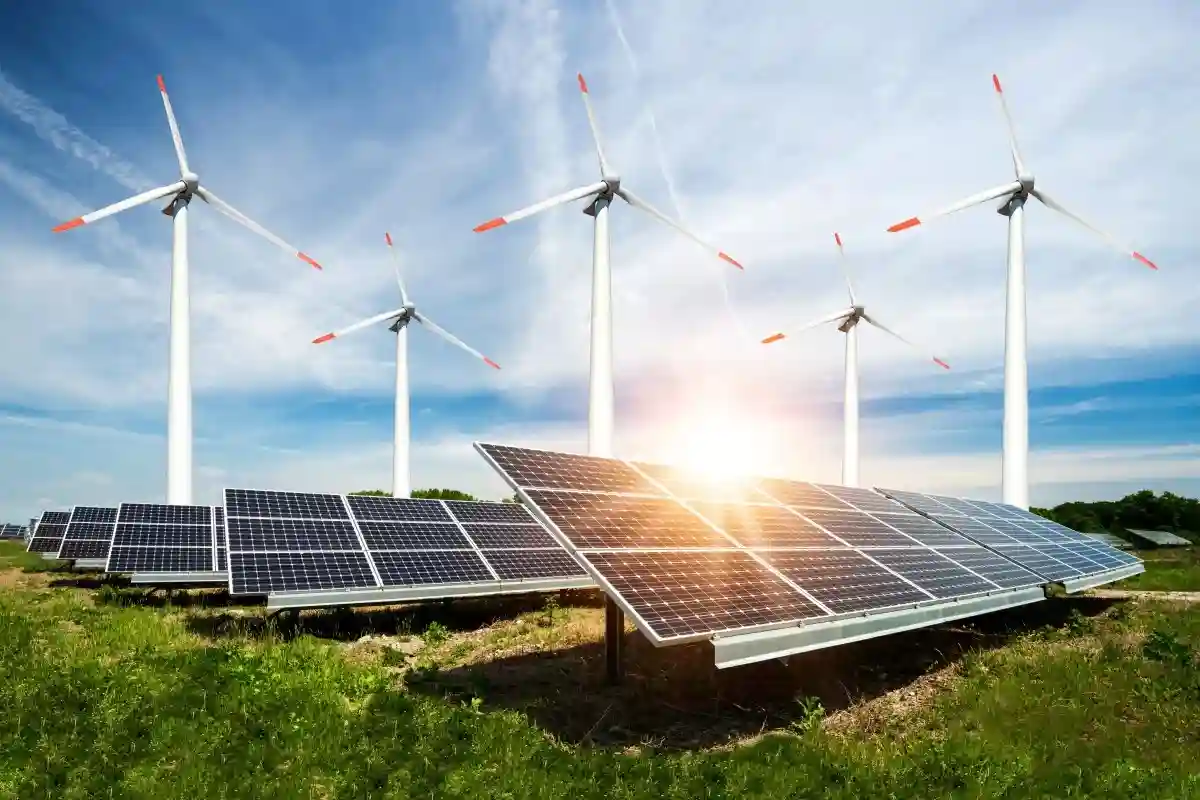
Wind and solar power play a key role in this plan. By 2030, the country aims to expand their combined installed capacity to more than 2.8 billion kilowatts, generating over 4 trillion kilowatt-hours of electricity each year.
Officials shared a clear goal for the whole electric grid. By 2030, half of all electricity should come from non-fossil fuel sources, nearly half from renewable energy specifically, and 30 percent from new energy sources.
The plan also sets multiple smaller targets. China wants to add more than 300 million kilowatts of new reliable peak power from renewable sources. At the same time, China aims to increase its offshore wind power capacity to around 100 million kilowatts. Hydropower capacity is expected to reach approximately 410 million kilowatts, while development projects will continue to balance clean energy expansion with river protection, flood control, water supply, and inland water transport.
The plan also includes several additional targets. Solar thermal power should reach 15 million kilowatts, marine energy should reach 400,000 kilowatts, and pumped-storage power should reach about 160 million kilowatts. Pumped storage is a method of storing energy by pumping water to a higher reservoir and releasing it later to generate electricity when needed.
The plan is expected to have a global impact. Because China is the biggest producer of solar panels, wind turbines, and batteries on earth. When China builds more clean power at home, It could also affect the supply and prices of clean energy equipment worldwide.
The plan gives companies and investors a clear five-year roadmap. It tells factories, power companies, and local governments exactly where Beijing wants new investment to go. Analysts expect the government to introduce more detailed policies and regional implementation plans in the coming months as China works to turn these national targets into real power plants, wind farms, and solar fields across the country.