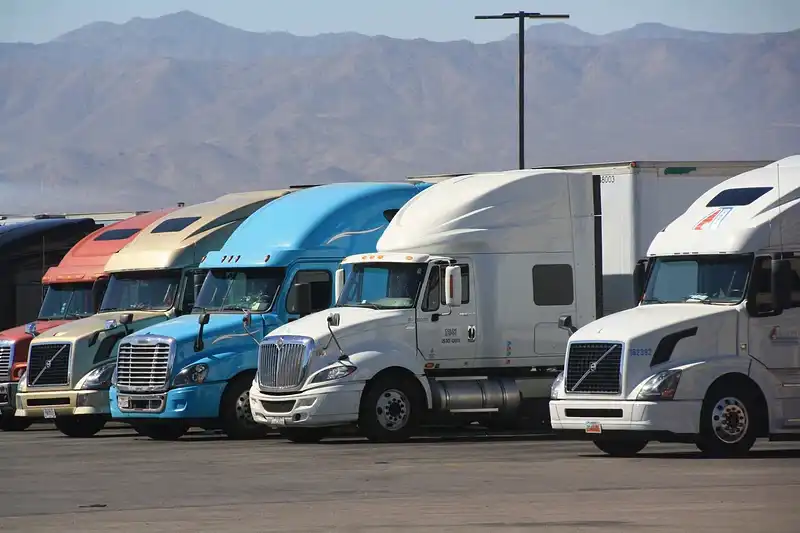
The U.S. Environmental Protection Agency (EPA) has moved to stop California’s latest truck rule. This rule would have required large trucks to follow California’s emissions plan even if they were from other states or countries. The EPA says this could break national laws and affect drivers and businesses all over the United States.
California wanted to add a Heavy‑Duty Inspection and Maintenance rule. It was part of the state’s effort to clean the environment by reducing pollution from big trucks. But the rule would have applied not only to California trucks, it also applied on trucks driven from places like Texas, Ohio, or even Mexico.
The EPA says that part of the U.S. Constitution called the “Commerce Clause” means one state should not make rules that affect businesses in other states. The agency also says that the rule may not follow federal law, like the Clean Air Act, which sets the standard for air quality rules.
Lee Zeldin, who leads the EPA, explained that California does not have the power to set rules for the whole country. He said allowing one state to decide national standards could raise costs for people and businesses across the whole United States.
Big trucks are important to the U.S. economy. They carry food, building supplies, medicine, and many everyday products from one state to another. If rules make it harder or more expensive for trucks to operate, prices for products can go very high.
California has had the authority to set some stronger pollution rules in the past. Under the Clean Air Act, the state has gotten special permission called “waivers” that let it make stricter air quality rules than the rest of the country. Other states can choose to follow California’s plans too.
In June 2025, the U.S. Congress used the Congressional Review Act to cancel some of these special powers. This showed that lawmakers wanted vehicle rules to be set at a national level, not just by one state. The EPA’s new action follows that idea and says everyone must follow national laws.
Some people support California’s efforts to reduce pollution. In the past, California’s air quality standards helped push companies to build cleaner engines and fuels. Many people say the state has been a leader in fighting pollution.
But others say the new rule was too wide in scope. They worry it would force changes before the businesses and people were ready, and would cost more money for truck owners and operators. People also say that rules made by one state should not cross its borders.
The EPA’s proposed decision also points out that having one state’s rules apply to vehicles from other countries raises additional problems. The federal government is responsible for handling trade with other nations, not a single state.
For many truck drivers, businesses, and everyday customers, the EPA’s action means that same rules will be used across the whole country. It also shows the government trying to balance clean air with clear national laws and economic needs.
The EPA’s block of the California truck rule is now open for public comment. After that, the agency will make a final decision. Whatever happens, this matter highlights how state and federal powers interact when it comes to important rules about clean air and business operations.