
The European Union has announced a €10 billion funding plan to build seven AI gigafactories as it aims to strengthen its AI industry and reduce the gap with the United States and China. The European Commission hopes the public funding to attract another €20 billion in private investment for the project.
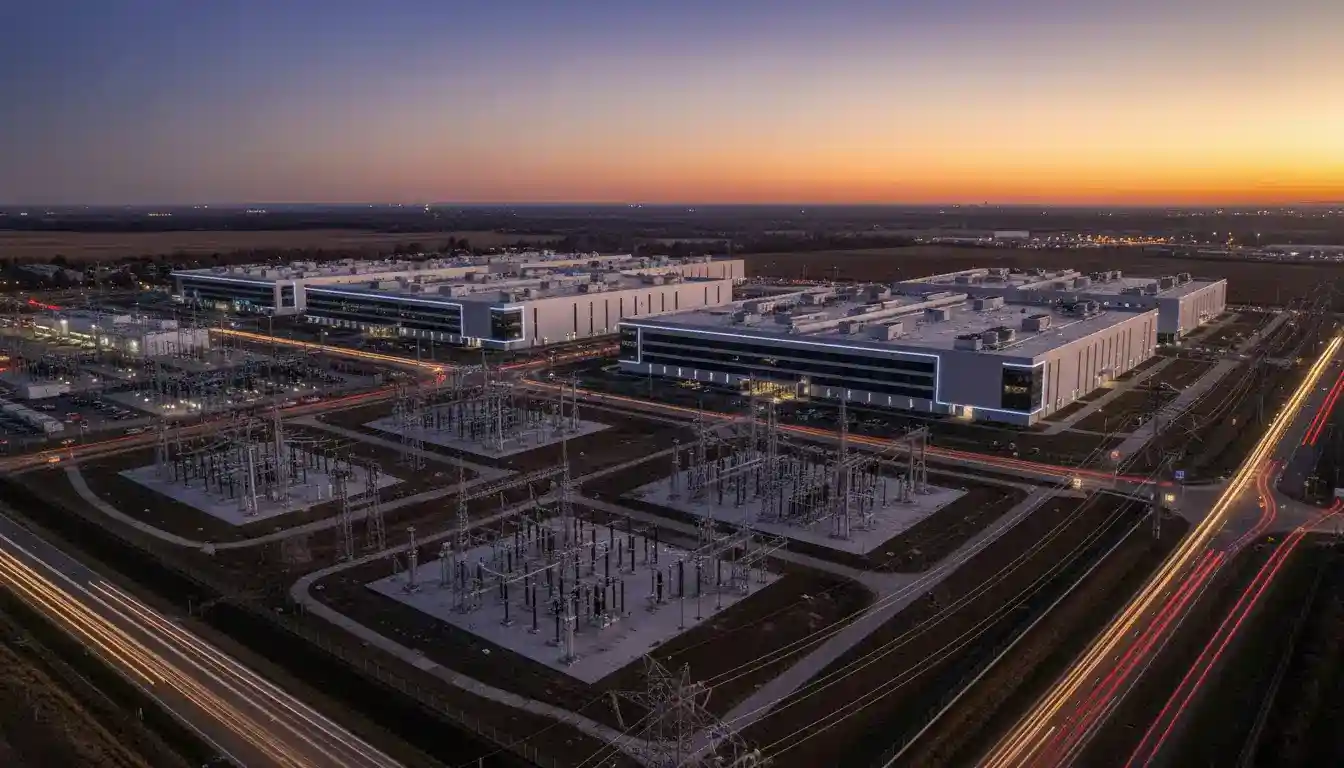
These new AI gigafactories will provide massive computing power for AI research and development. Each site will include at least 100,000 advanced AI chips, making it around four times more powerful than the largest AI data centers now operating in the EU. Officials expect the new AI gigafactories to generate more than double Europe’s current AI computing power.
Henna Virkkunen, Executive Vice-President of the European Commission for Technological Sovereignty, said Europe needs much more computing power as AI industry continues to grow. She said Europe needs stronger AI infrastructure to compete with the global AI leaders.
The European Commission has invited companies to bid for contracts to build and operate the new AI gigafactories. The project is part of the EU’s long-term plan to improve its technology sector and reduce its dependence on foreign AI companies.
Europe still fall behind the United States and China in several key parts of the AI industry. American companies attract most private AI investment, while China has built a large network of data centers. Europe also faces higher electricity costs and relies on imported parts for AI data centers, that makes new projects more expensive.
Another challenge is Europe’s heavy use of American cloud services. European officials warn that depending too much on foreign technology could create risks for data security, business operations, and digital independence. Building AI gigafactories inside Europe aims to give local companies and researchers greater access to powerful computing resources.
France-based Mistral AI operates one of Europe’s largest AI data centers and has developed the Le Chat chatbot. However, the company still faces tough competition from major AI firms such as OpenAI and China’s DeepSeek. European leaders hope these new AI gigafactories will support local AI companies to grow by giving them better access to powerful computing resources.
The European Commission also said AI systems developed through the new facilities must meet EU rules on data protection, safety, security, and ethics. At the same time, city leaders and environmental groups continue raising concerns about the growing demand for electricity, water, and land as more AI data centers are built.
If the project moves forward as planned, the AI gigafactories could become a major step in Europe’s effort to build stronger AI technology, support local businesses, and create a more independent digital future.