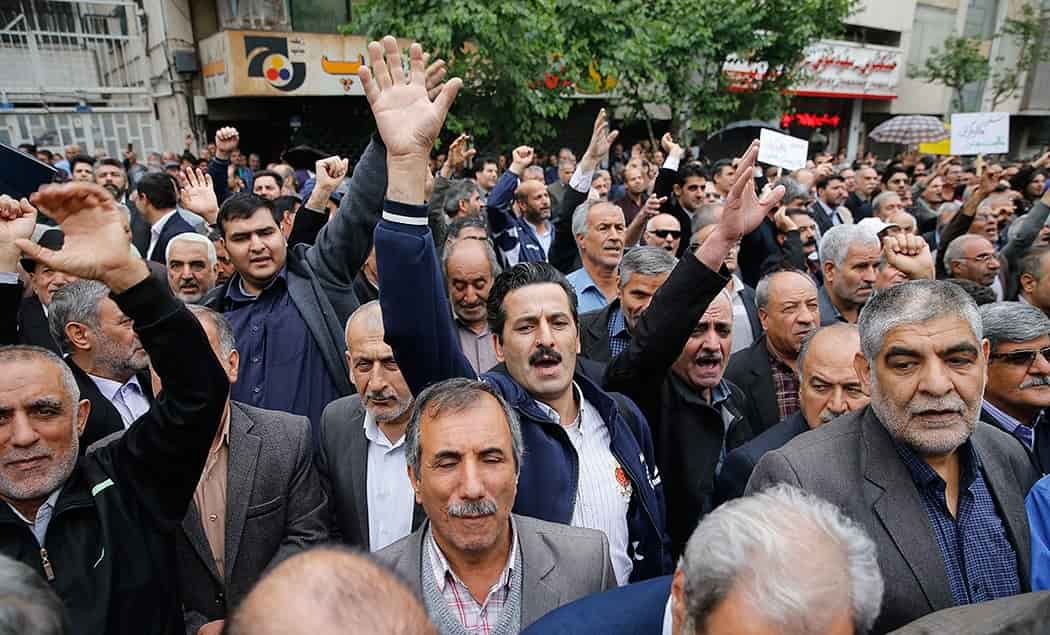
Iran is facing large antigovernment protests that have now lasted more than two weeks. People across the country have taken to the streets to voice their anger at economic problems, rising prices, and political issues. The protests have become one of the biggest challenges to the Iranian government in years, with violence and deaths reported as security forces try to control the protest.
Iran’s foreign minister, Abbas Araghchi, said that Iran is prepared for war if needed but also open to talks with the United States if the situation is right. He spoke to foreign diplomats in Tehran and repeated that Iran does not want war but will defend itself if needed.
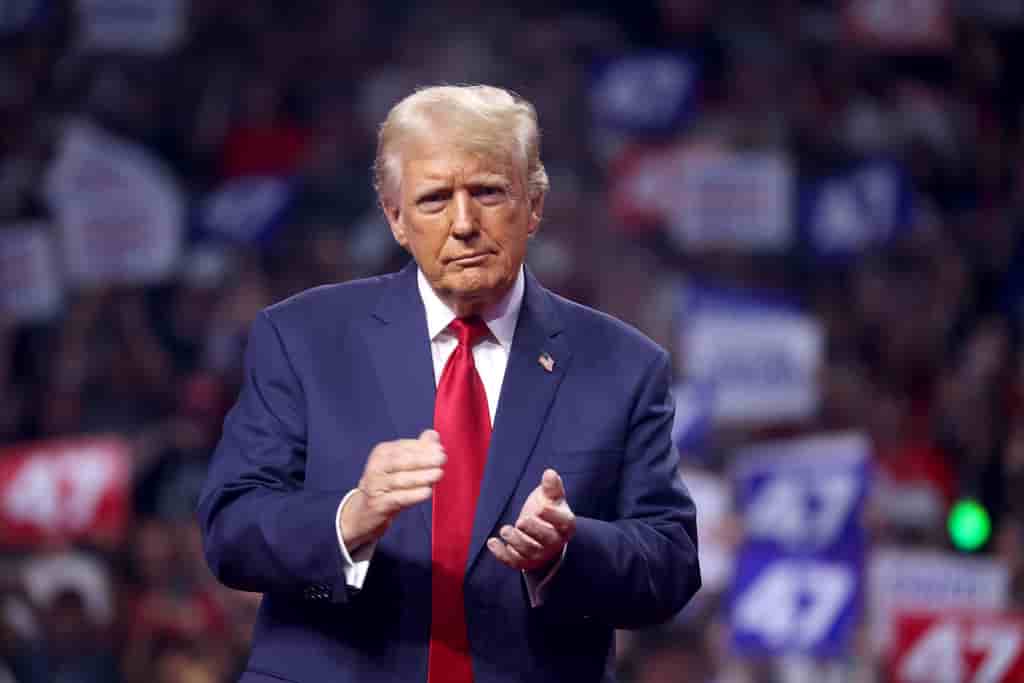
At the same time, U.S. President Donald Trump said that the United States is considering “very strong options” in response to the protests and the Iranian government’s crackdown. Trump said that U.S. military leaders were considering possible actions, He also said that talks between officials have been planned, and a meeting might happen soon.
The large protests started in late December after Iran’s economy got worse with high inflation, a weak currency, and growing difficulties for ordinary people. The protests started over economic problems, but now people are asking for freedom and rights.
The violence in the streets has been very dangerous and happening everywhere. Rights groups and international observers have reported hundreds of people killed during the protests, including civilians and soldiers of security forces. The United Nations has expressed deep concern about the violence and urged Iranian goverment to respect human rights and avoid further use of force against protesters.
Iran’s government has given its own explanation for the conflicts. Officials have blamed what they call “terrorists” or external influence for the violence and said actions are needed to keep order and protect the nation. Iranian state media has also reported deaths among security personnel and held rallies in support of the country’s leadership.
The situation on the ground has been made worse by an internet blackout that has cut off many Iranians to communicate. In some areas of the country, internet access is nearly gone, making it hard for protesters to share information or for outsiders to know exactly what is happening inside Iran.
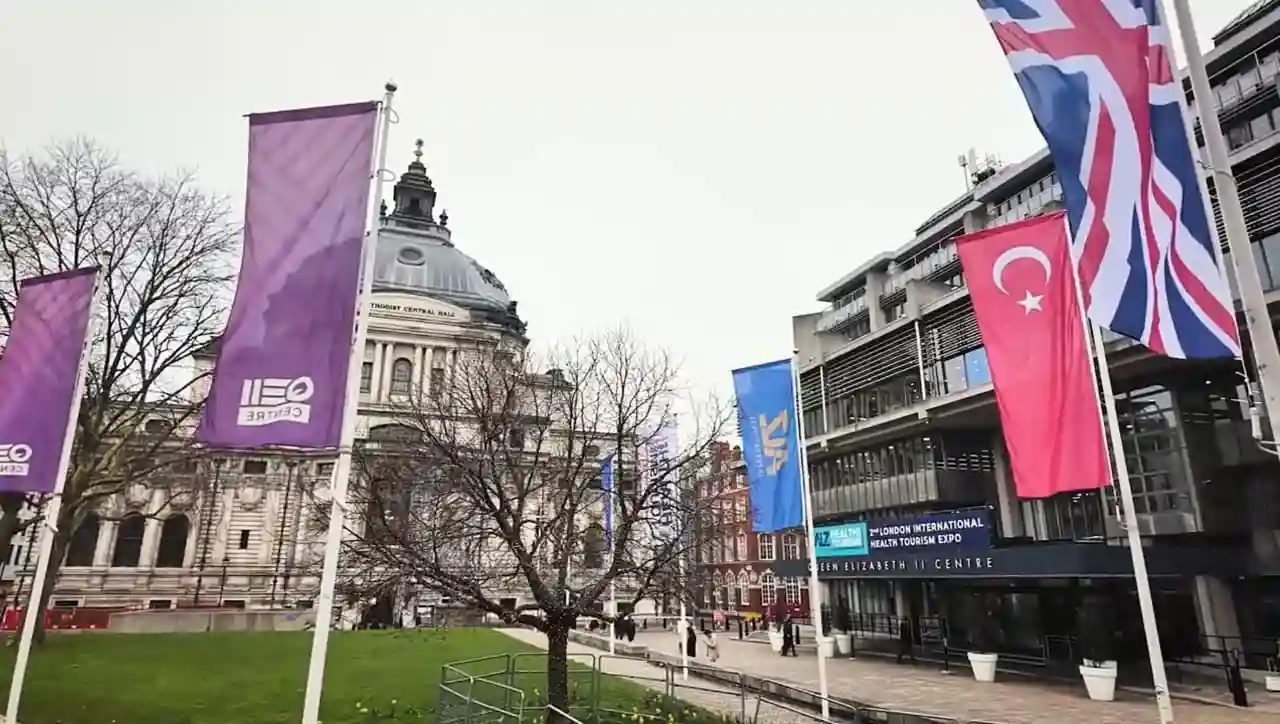
The U.S. has taken other steps besides military options. In a significant move, Trump announced a new 25% tariff on imports from countries that trade with Iran. This decision may increase the cost of imports from major Iran partners like China, Turkey, and others, as Washington tries to put economic pressure on Tehran.
World leaders paying close attention. Some countries in Europe have strongly critisized the crackdown on protesters, and international organizations have urged both sides to avoid more violence and advised to fix problems peacefully. But the talks between Iran and the U.S. have been limited because the two countries do not have direct diplomatic relation. Communications are often handled through third nations, such as the Swiss embassy acting as a connector.
Despite all this, Iran’s leaders have insisted that the country remains in control. They have also warned that any foreign military action would have serious consequences, and some voices in Tehran have said Iran would respond strongly if attacked.
People inside and outside of Iran are watching closely. Many Iranians continue to protest for change, and social media has been filled with messages from both supporters and opponents of the government. However, the blackout and restrictions make it hard to verify exact numbers and details on the ground.
Overall, Iran is facing major protests that have spread across the country. The government says it is ready for war but also open to talks. The United States is considering how to respond, including possible military options and economic pressure, while calling for human rights to be respected. People around the world are watching to see that the protests will bring real change or more problems.