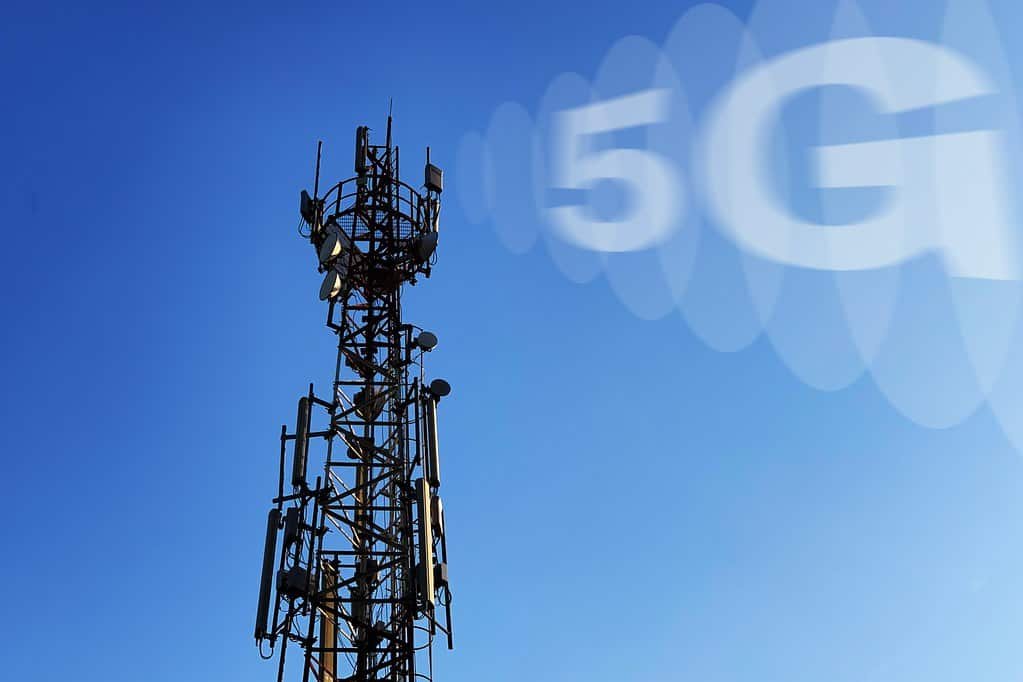
Japan is just got one step closer to providing nationwide access to 5G mobile services. According to the country’s Ministry of Internal Affairs and Communications, 5G coverage has now reached 98.6% of the population, based on data from the end of fiscal year 2025.
The latest figures show steady progress toward the government’s long-term goal. After increasing from 98.4% last year to 98.6%, Japan is now moving closer to its target of providing at least 99% 5G coverage by 2030.
The ministry announced these figures based on data from Japan’s four major mobile operators, including NTT Docomo, KDDI, SoftBank, and Rakuten Mobile. Each company reports its own 5G coverage, and the ministry combines the results to create a nationwide estimate.
5G coverage is still uneven across Japan. While some regions have reached 99.9% coverage, others remain at 89.2%, showing that rural and mountainous areas still need more development before they can match the country’s major cities.
The Japanese government granted 5G spectrum licenses to its four major mobile operators in 2019. NTT Docomo, SoftBank, and KDDI launched their 5G services in March 2020, while Rakuten Mobile followed in September the same year. By March 2021, 5G service had become available across every region of the country.
Officials first set a target of just 97 percent coverage by the end of fiscal year 2025. Japan reached its 97% 5G coverage target before the deadline. The government has now shifted its focus to a more ambitious goal of achieving 99% 5G coverage nationwide by 2030, while also aiming for every region of the country to reach the same level.
Japan had already reached 98.1% 5G coverage by the end of the 2023 financial year, achieving its earlier target ahead of schedule. The steady rise from 98.1 percent to 98.4 percent, and now to 98.6 percent shows the pace of new tower construction has slowed slightly as companies focus on covering the hardest remaining spots.
Coverage numbers alone do not show the real-world user experience. While 5G coverage means a device can receive a 5G signal in a particular area, it does not always mean users remain connected to a 5G network. Actual performance can vary between mobile operators, and devices may switch to 4G when the 5G signal is weak or the network is busy.
Japan’s telecom market is already one of the most developed in the world, with around 194 million mobile connections and a penetration rate of 157 percent. With 5G coverage already reaching most of the country, mobile operators are now focusing less on expanding coverage and more on improving network speed, reliability, and the overall user experience.
Japan is continuing its efforts to achieve its nationwide 5G coverage target. The government will keep monitoring coverage each year as it works toward its 2030 target, with a focus on expanding service in the country’s remaining rural and remote areas.