The U.S. warned it could charge a 100% tax on Canadian goods if Canada makes a trade deal with China. This means Canada’s products might be taxed so high and cost double when they enter the U.S. market.
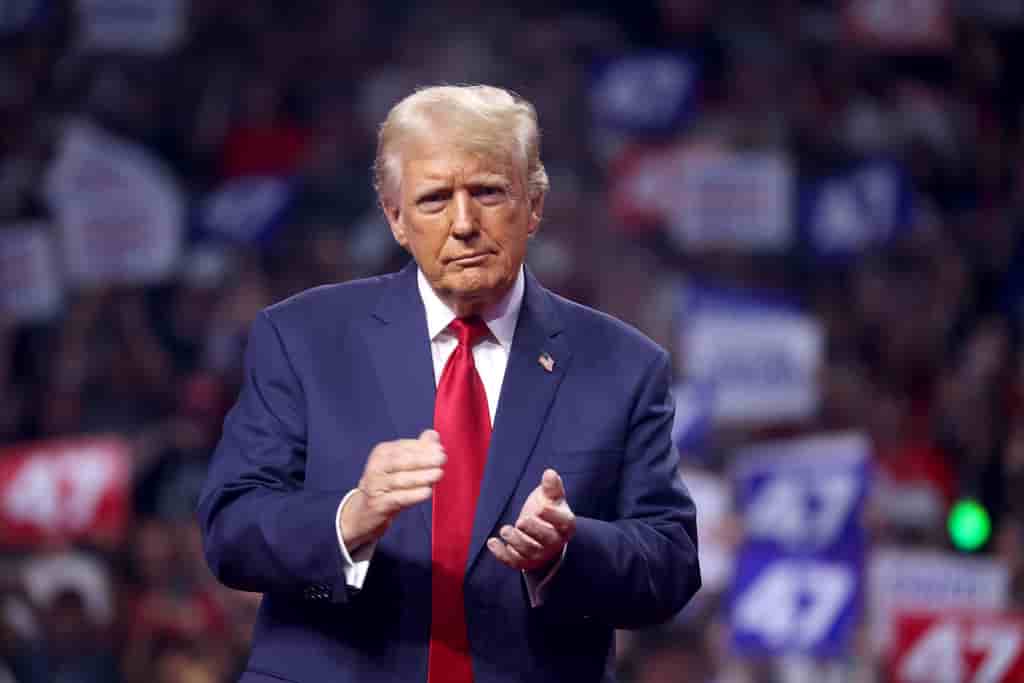
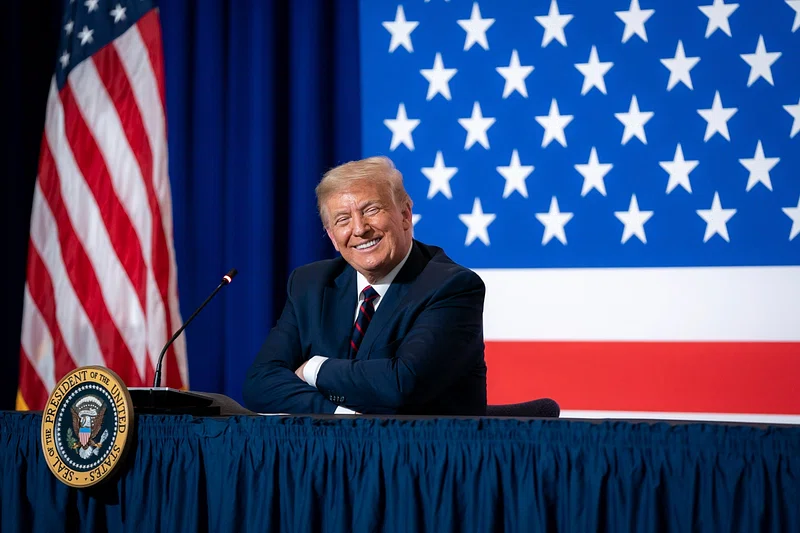
The threat came from U.S. President Donald Trump on January 24, 2026. He posted on his social media that if Canadian Prime Minister Mark Carney makes a trade agreement with China, the U.S. would hit Canada with heavy taxes on everything it exports to American. Trump said he is worried that China could use Canada to send products into the U.S. and damage the American economy.
Canada and China have been working on a trade deal that would allow Chinese electric vehicles (EVs) into Canada at a lower tariff rate, and in return China would also cut tariffs on Canadian farm products like canola seeds. This deal was first announced by Carney in Beijing.
At first, Trump had said the Canada-China trade deal was a good agreement, but soon after he changed his tone. Now he says the deal could hurt economy of Canada and the U.S., and he wants to stop it by threatening to make Canadian products much more expensive in the United States.
A tariff is a tax that a country puts on things it buys from another country. When a tariff is high, it can make the price of those goods much more expensive for buyers. A 100% tariff basically doubles the cost of products being sold across the border.
Canada and the U.S. have a long history of trade. Both countries sell lots of products to each other every day, like oil, metal products, food, and machinery. Canada usually sends billions of dollars worth of products to the United States, and both countries depend on each other’s markets.
The threat is serious because a trade war between the U.S. and Canada could hurt workers and businesses in both countries. If Canada’s products cost much more in the U.S., companies might sell less, factories might slow down, and jobs could be affected.
Prime Minister of Canada Mark Carney has defended Canada’s plan to make a trade agreement with China, saying it will help Canada’s economy to grow and make it less dependent on any one country for trade. Canada’s wanted to open its market to more Chinese products while also getting better access for its own products to other countries.
Political leaders in Canada and the United States have also been talking about other global issues at major international meetings like the World Economic Forum in Davos. There, Carney spoke about how middle-power countries like Canada should work together and not have follow only the United States or China.
Some experts think that the threat of a 100% tariff shows that trade relations are getting difficult between the U.S. and its longtime partner Canada. The possibility of huge tariffs can make businesses worried because they don’t know how much costs and prices might change in the future.
It is still not clear that the U.S. will actually put the 100% tariff or not, for now, Canada has not yet said how it will respond if the threat happens. But the warning from Trump has already caught the attention of business people and politicians on both countries.
This statement shows that trade relations between powerful countries are very unpredictable, and decisions about tariffs and trade deals can affect everyday prices, jobs, and the economy,