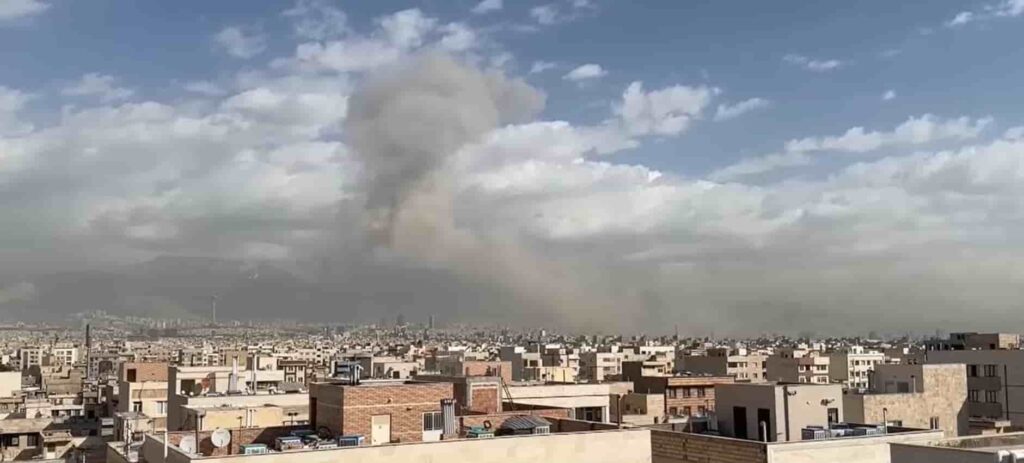
On 28 February 2026, the United States and Israel launched coordinated strikes on Iran, marking a major escalation in tensions between Tehran and its opponents. The joint military action came after months of rising pressure, failed nuclear negotiations, and both sides blamed each other for creating security problems.
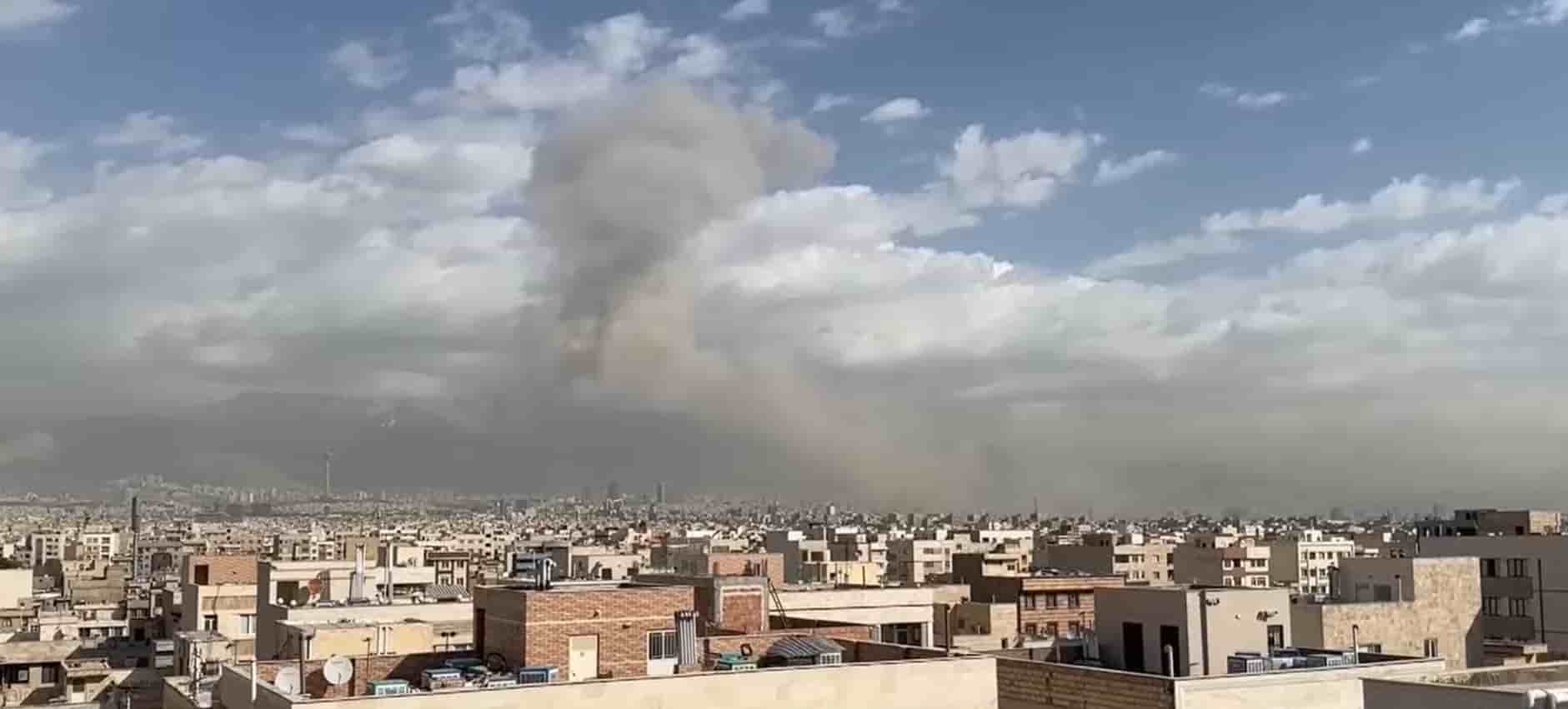
The strikes began early Saturday with explosions reported in Tehran and other parts of Iran. Iranian media showed smoke rising over the capital, and reports from multiple sources said the attacks hit government buildings, military bases, and other sites across the country.
President Donald Trump announced the launch of major combat operation against Iran. In a message to the Iranian public, he asked citizens to take control of their government, saying the strike were to deal with threats from Iran that were aimed at the United States and its allies.
Israeli leaders also confirmed their participation in this operation. They said the goal was to stop long-standing threats from Iran, including its nuclear activities and regional support for armed groups. Israel’s strike campaign included attacks on military bases and government offices.
The U.S. and Israeli strikes have caused retaliation from Iran. In the hours after these strikes, Iranian forces launched missiles and drones toward targets in Israel and at U.S. military bases in the Gulf. Several countries, including Bahrain, Kuwait, Qatar, and the United Arab Emirates, reported explosions and military alerts as the events took place.
These attacks had a big impact on daily life. Flights were stopped in parts of the region, and people in cities like Tehran ran away or took shelter as explosions went on. Reports said that some civilians, including children at school, were killed in the first attacks, though exact numbers remain unclear.
The United States had also increased its military presence in the Middle East in the weeks before the attack. Several aircraft carriers, warships, and fighter jets were moved into the region as part of what U.S. officials called “Operation Epic Fury,” signaling that Washington was prepared for possible military action against Iran.
The conflict has drawn global attention and concern. Some countries have condemned the strikes, while others have supported the U.S. and Israeli actions. Russia has strongly criticized this military action, calling it dangerous and causing more problems in the region.
Experts warn that this military operation could have long-term effects on security in the Middle East and beyond. Energy markets could be disrupted, especially if major shipping routes like the Strait of Hormuz become unsafe due to ongoing strikes. They also worried that the conflict could spread and involve other counties or groups that support Iran.
At the same time, officials in both Washington and Tel Aviv said the operation were meant to protect their citizens and to stop Iran from gaining greater nuclear or military power. They said that the action became necessary after talks failed and threats continued.
Countries are reacting in different ways as the situation continues. News about deaths, military actions, and talks between governments is still coming in. Leaders around the world are asking everyone to stay safe and are working to stop the conflict from getting worse.
These attacks on Iran are one of the most serious military conflict in the region in recent years. They have changed how the United States, Israel, and Iran deal with each other and increased tensions across the Middle East.