The World Health Organization (WHO) has expressed serious concern about attacks on hospitals and health workers in both Iran and Lebanon as conflict in the Middle East continues to grow. The agency warned that the growing fighting in the Middle East is putting medical facilities, doctors, and patients in danger.
WHO officials said they have verified several attacks on medical facilities during the recent conflict. According to the organization, at least 13 attacks on medical centers have reported in Iran and one attack has been confirmed in Lebanon. These strikes have damaged hospitals, affected ambulances, and put the lives of patients and medical workers at risk.
WHO Director-General Tedros Adhanom Ghebreyesus said hospitals and clinics must always be protected, even during war. He explained that international humanitarian law clearly says that health care services should never be attacked. Doctors, nurses, ambulances, and hospitals must remain safe so they can provide medical care to people who are injured.
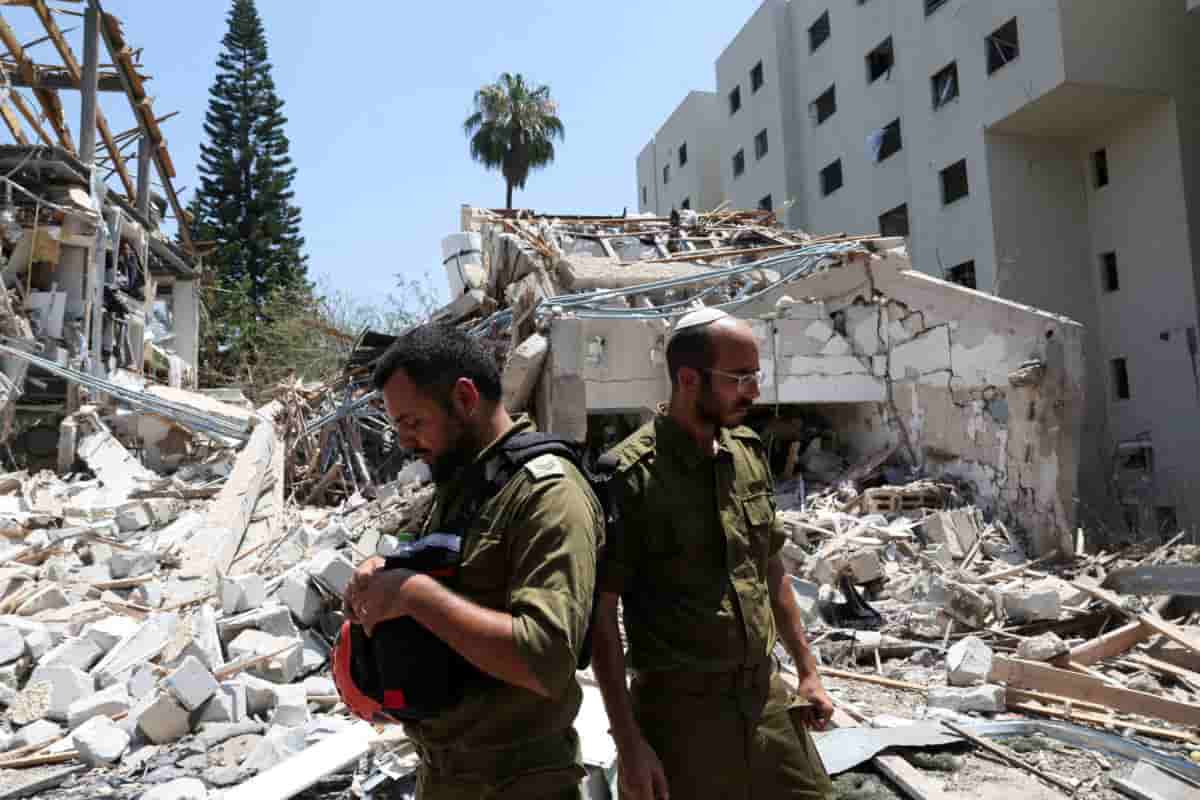
Health officials say some medical workers have been killed or injured during the strikes. Reports reviewed by the WHO show that some doctors and health workers have died, and many people were injured when the strikes damaged hospitals and clinics. Some ambulances were also affected during these attacks.
In Tehran, the capital city of Iran, parts of a hospital were damaged after explosions nearby. Because of the danger, patients and health workers had to leave the building and move to safer locations. Medical services were disrupted while doctors worked to move patients and protect important medical equipment.
Health centers in other Iranian cities also reported damage after these strikes. Emergency care facilities in areas such as Sarab and Hamedan were affected, and some medical staff were injured while helping patients. These incidents have made it harder for doctors to provide treatment to people who need urgent care.
The situation in Lebanon has also raised concern. WHO confirmed that several paramedics were killed while trying to rescue injured people after explosions. Health workers put their lives at risk during conflicts because they are among the first to reach victims and provide care after attacks. Many of these workers continue their duties despite dangerous conditions to make sure patients get the treatment they need.
The ongoing conflict in the region has forced many families to leave their homes. Health officials estimate that about 100,000 people have lost their homes in Iran, while more than 60,000 people in Lebanon have also been displaced because of the violence. The movement of so many people is putting additional pressure on hospitals and emergency services.
The WHO is continuing to track the situation and work with health authorities in the affected countries. The organization is also supporting hospitals and medical goups as they try to keep health services running during the conflict.
Global health leaders say protecting medical facilities during war is essential to save lives. Hospitals, doctors, and emergency workers play a key role in helping communities survive during times of crisis, and international law requires that they be kept safe so they can continue caring for people who are injured.