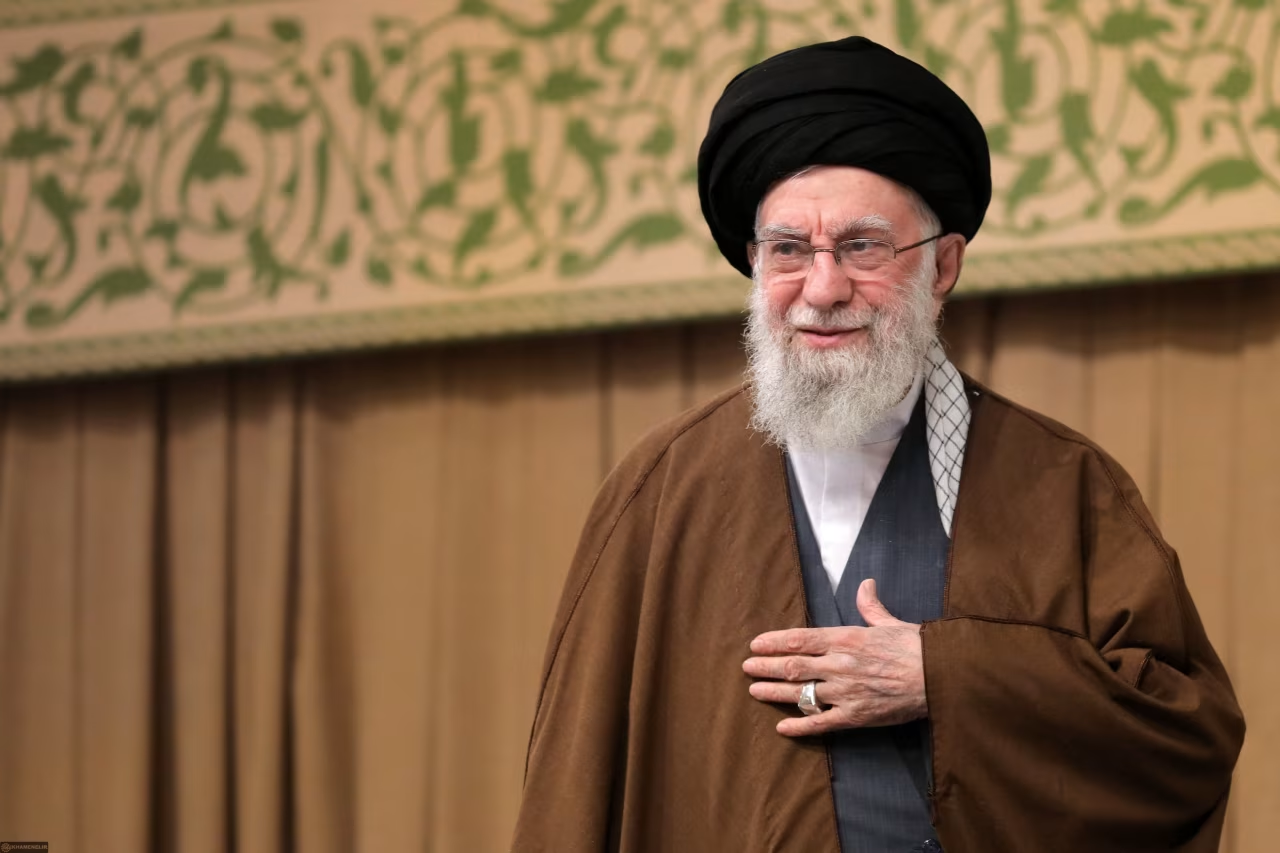
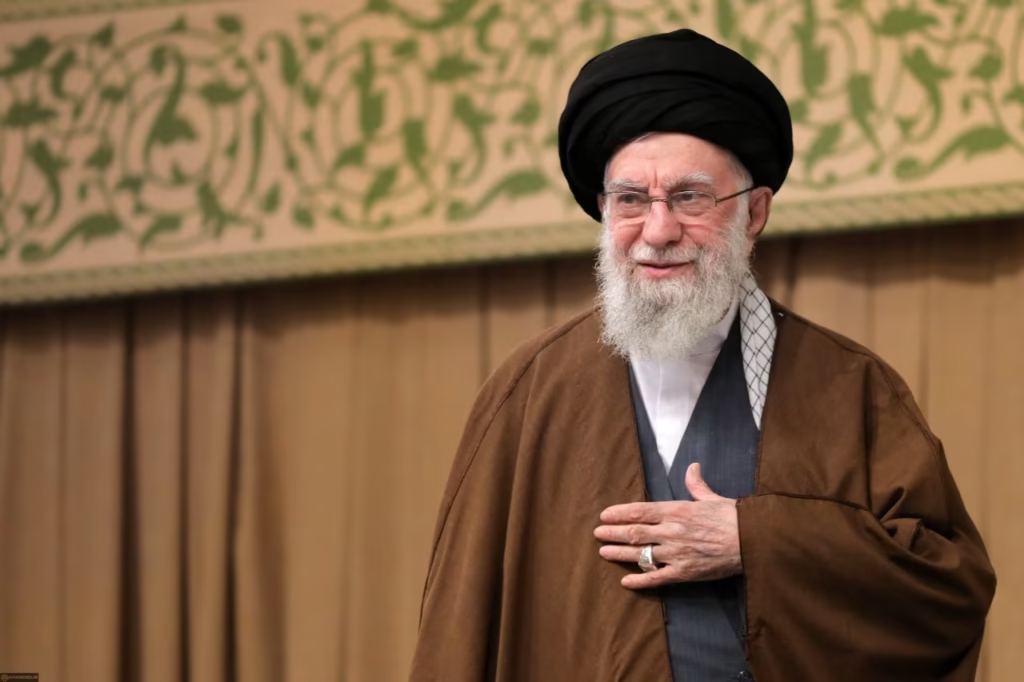
Iran’s Supreme Leader Ayatollah Ali Khamenei was killed after a major strike by the United States and Israel hit Tehran and other areas. He was 86 years old and had led Iran since 1989, controlling the government, military, and key decisions for more than three decades. Iran’s state media later confirmed his death, and the government announced 40 days of mourning to honor him.
Khamenei was the top leader of Iran for more than 36 years. He had the final say in Iran’s government, military, and national decisions. His role was both religious and political, which made him one of the most powerful people in Iran.
The attack began early Saturday when U.S. and Israeli forces launched a wave of missiles and airstrikes on Iranian military and government sites. The strike targeted places where top leaders and officials were believed to be located. Several senior Iranian officials were also killed in the strike, including Major General Abdolrahim Mousavi, the Chief of Staff of the Armed Forces, and General Aziz Nasirzadeh, the Defense Minister.
In the hours after the attack started, former U.S. President Donald Trump announced on social media that Khamenei had been killed. Mr. Trump said the attack was part of a joint operation with Israel and that it hit the top country’s leadership.
Iran’s own state television confirmed the death on Sunday morning, saying that Khamenei was killed in his office and that the government has announced a 40 day mourning period. Iran’s official news called him a martyr and praised his service to the country.
The attack not only took the life of Khamenei but also reportedly killed others close to him, including senior commanders and officials in Iran’s security forces. Some reports say his daughter, son-in-law, and grandchild were also killed in the same operation, though all details are still being confirmed.
After the news spread, Iran’s President Masoud Pezeshkian said it was the right of the country to take revenge. He spoke in strong words about responding to what Iran calls an “act of aggression.” People are worried that this could lead to more fighting in the region
The reaction around the world was mixed. Some leaders asked people to stay calm and to start talks. Others said the situation could get worse if countries did not try for peace. The head of the Catholic Church, Pope Leo XIV, asked for an end to the violence and told nations to find ways to stop the conflict by talking and respecting human life.
This event marks a major moment in global news. Khamenei was one of the longest-serving leaders in the Middle East and a key figure in Iran’s modern history. His death changes the future of Iran’s leadership. There is no clear plan yet for who will lead the country next.
Iran’s new temporary leaders include its president and top judicial officials. They are now responsible for the country’s decisions until a new supreme leader is chosen. The coming weeks will likely be tense as Iran’s political system changes and global leaders pay attention to what happens next.