US President Donald Trump has decided to delay planned military strikes on Iran’s power plants and energy sites, giving more time for talks between the both sides. This decision came after Trump said the talks with Iranian officials were positive and successful, which has increased hopes that the situation may calm for now.
Trump said he has ordered a pause of five days before taking any military action. He explained that this delay depends on how the talks go this week. If progress continues, the United States will avoid conflict for now, but if talks fail, action could still happen.
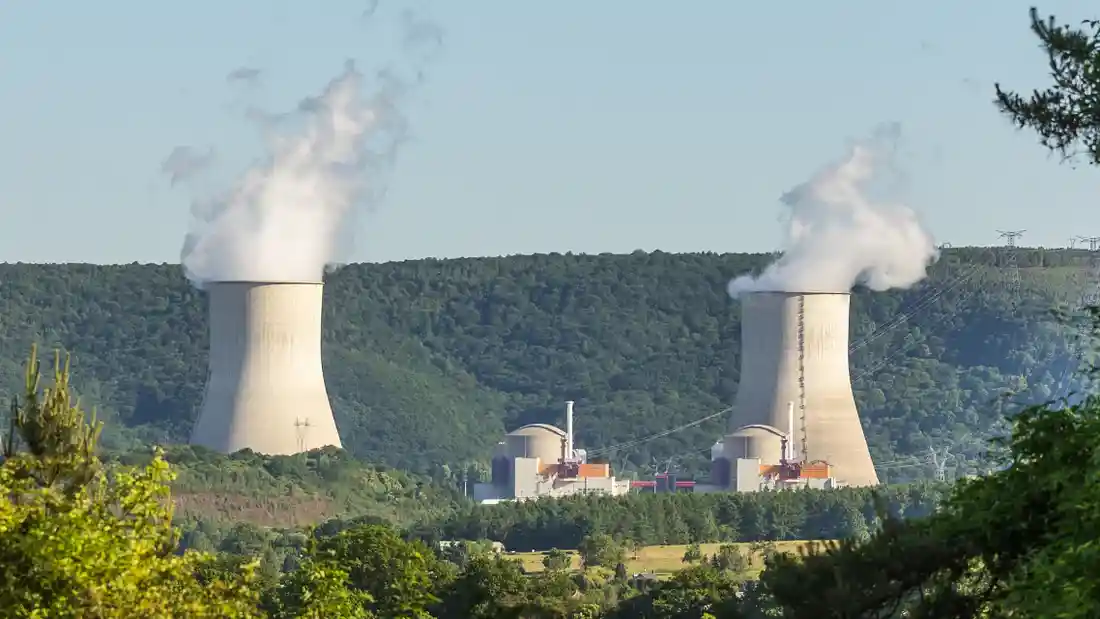
The planned strikes were targeted at Iran’s power infrastructure, including major electricity and energy facilities. These sites are important for daily life and for the country’s economy. Any attack on them could cause major damage and lead to serious conflict in the region.
Tensions had increased earlier when Trump warned that the United States could target Iran’s energy system if their demands were not accepted. One of the key issues is the closure of Strait of Hormuz, it is a very important route for global oil shipments. A large share of the global oil passes through this area, so any conflict there can affect energy prices worldwide.
Iran responded strongly to these threats. Officials warned that if its power plants were attacked, they would strike back at important targets in the region, including energy facilities linked to US allies. This increased concerns of a larger conflict that could involve more countries.
The pause in the planned strikes has already affected global markets. After this announcement, oil prices went down, showing that traders felt safe by the pause in military action. Financial markets reacted quickly because any conflict in the Middle East can change the supply of energy and affect countries around the world.
Experts warn that any attack on energy facilities could disturb the supply of oil and gas. This could make fuel and electricity more expensive for people and businesses. The effects would not stay in the region only, but could also reach other countries around the world that rely on steady energy prices to keep their economies and daily life running smoothly.
At the same time, the situation is still complicated. Military forces from both sides are active in the region, and are prepared for possible action. Even though talks are ongoing, there is no guarantee that problem will solved. Experts say the coming days will be very important in deciding what happens next, and tensions could rise again if talks do not succeed.
The decision to pause the strikes shows that there is still a chance for talks and peaceful solutions. It looks like leaders are trying to prevent a quick conflict while still keeping pressure on each other. What happens next will depend on how these discussions go over the next few days, and the situation could change depending on the progress of the talks.
This situation shows how quickly global tensions can rise and how closely energy security is connected to political decisions. The result of these talks will play an important role in shaping the future of the region and its affect on global markets.