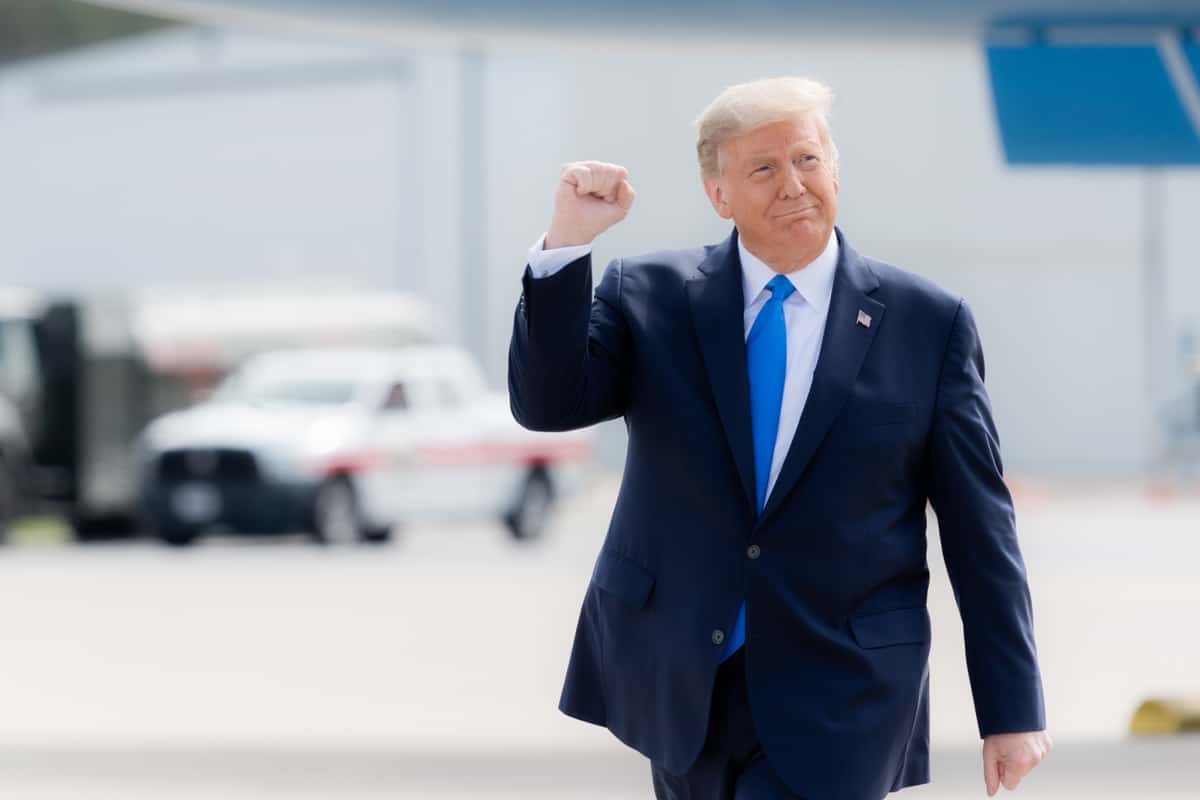
The US Supreme Court gave President Donald Trump a major win on immigration on Thursday. The court said Trump’s administration can now remove legal protections from about 350,000 Haitians and 6,000 Syrians living in the United States. Many of these people could now face deportation. Supreme court voted 6 to 3. All six conservative justices voted for Trump. The three liberal justices voted against the decision.
This case involved a program known as Temporary Protected Status (TPS). This program allows people from countries hit by war or natural disasters to live and work in the US. The Trump administration tried to end TPS for Haitians and Syrians. Lower courts in New York and Washington DC, tried to stopped Trump from doing this. The Supreme Court cancelled those lower court decisions on Thursday.
Justice Samuel Alito wrote the main opinion for the court. He said the TPS law gives the president the power to end the program without interference from the courts. He said judges of lower courts overstepped their authority when they tried to block Trump’s decision.
Kristi Noem, Secretary of the Department of Homeland Security, made the decision to end TPS protections for both groups. Earlier this year, a lower court judge argued that Noem did not follow proper legal procedures when she announced to end TPS protections for Haiti.
The judge also said there was evidence showing that the decision may have been influenced by discrimination against Black and Haitian migrants. As part of the case, the judge pointed to a social media post by Noem that stated, “WE DON’T WANT THEM. NOT ONE.” The judge also referred to comments President Trump made about Haiti in 2018 that drew widespread criticism at the time. But, in latest decision Supreme Court rejected all those discrimination claims.
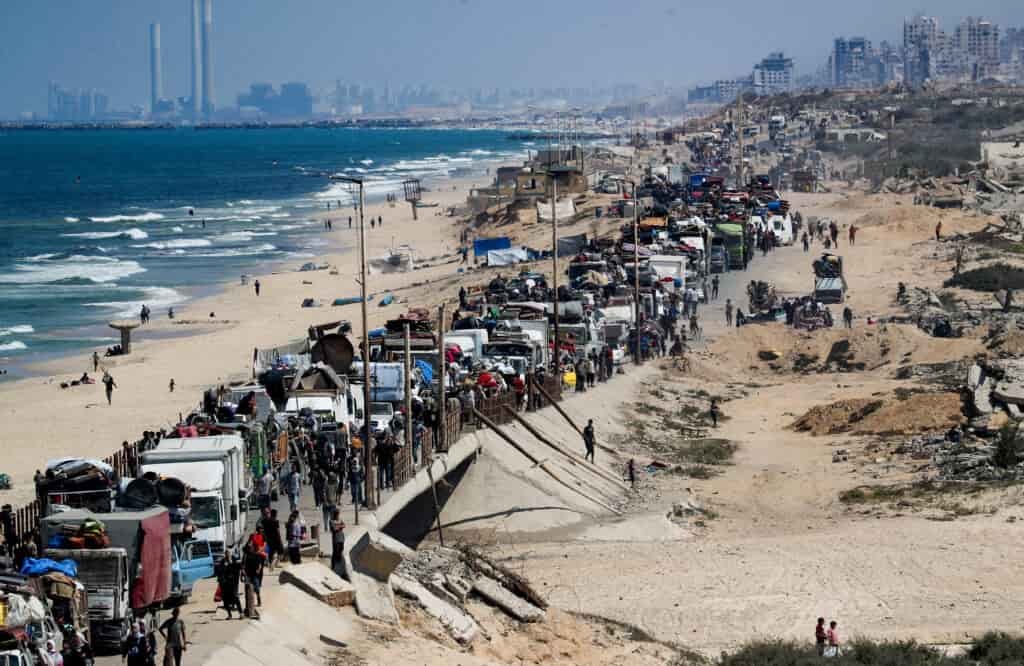
For now, the State Department warns Americans not to travel to Haiti or Syria. It says both countries face widespread violence, crime, terrorism, and kidnapping. Human rights groups say sending people back to these countries puts lives in danger.
Derrick Johnson, president of the NAACP, strongly criticized this decision and called it “a devastating betrayal of Haitian families.” He argued that this decision could lead to deportations driven by anti-Black immigration policies.
Krish O’Mara Vignarajah, president of the advocacy group Global Refuge called this decision “a deeply painful day” for families who have paid taxes and contributed to their communities for years but now face the risk of losing their legal protections and being deported.
On the other hand, the White House celebrated this decision. Deputy Press Secretary, Abigail Jackson called it “a tremendous win” for Trump. She said TPS was never meant to become a permanent arrangement or give immigrants a path to stay forever.
People who lose Temporary Protected Status (TPS) may still have options to stay in the United States through programs such as asylum or other legal immigration pathways. However, these processes can be hard, and not everyone will qualify. The decision comes as the Trump administration continues efforts to end TPS protections for more than a dozen countries as part of its broader plan to reduce both legal and illegal immigration.
Many affected migrants are now waiting for details on when the policy will take effect. Some have lived in the United States for years and have children who are US citizens, raising concerns about family separation. Advocacy groups plan to find other legal steps to protect people from being sent back.
The Supreme Court still has eight more cases to decide before the end of its current term. Those cases include Trump’s effort to end birthright citizenship and a separate case involving transgender athletes’ participation in sports.