Bangladesh and the United States have made a new trade deal. This deal changes how products are taxed between the two countries and could reshape Bangladesh’s trade and politics. The deal was finalized after months of discussions and represents a major step in economic relations between Dhaka and Washington.
Under the agreement, the United States has lowered the tax rate on Bangladeshi exports to 19 percent. This move gives Bangladesh better access to the U.S. market and helps industries such as textiles and ready-made garments, which are a major part of the country’s economy.
One big benefit of the deal is that clothes and textile products made in Bangladesh with U.S. cotton can enter the U.S. without any tax. This means no extra cost on those products. This is important because Bangladesh buys most of its cotton from other countries. This rule can help Bangladesh sell more products to big markets in the United States.
In return, Bangladesh has agreed to give U.S. greater access to its market. Dhaka will remove tariffs on thousands of American products, including machinery, dairy products, and other industrial and agricultural items. Bangladesh has also agreed to buy U.S. products such as liquefied natural gas (LNG), cotton, and agricultural products over the coming years to help balance trade.
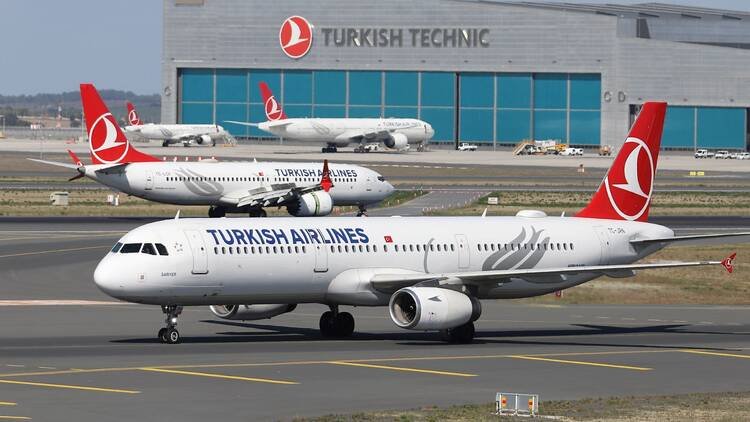
This deal includes other major commitments as well. Bangladesh plans to purchase aircraft from a U.S. manufacturer, which will strengthen business between both countries. The agreement also talks on rules and regulations, and Bangladesh has agreed to adopt certain safety and quality rules that match U.S. expectations.
Experts say the agreement could help Bangladesh’s economy by making it easier to sell products in the United States and by bringing in U.S. investment and technology. For an export-dependent country that depends heavily on its textile industry, tax reliefs and easier access to a large market like the United States can be very beneficial.
However, some experts warn about possible risks. They say Bangladesh needs to be careful about how this deal affects its trade relations with other countries, especially those with big markets. The deal also limits Bangladesh from making some types of trade agreements with China ,Russia, Georgia and many other countries, which could effect their relations with those countries and cause problems for its trade options in the future.
Another worry is that the deal asks Bangladesh to follow some U.S. trade rules. This could change how the country control imports and manage its own businesses. These changes may bring some benefits in the short term, but they could also affect Bangladesh’s trade plans and decisions in the long run.
Bangladesh’s government has defended the agreement, saying the tariff cuts and market access will improve its export industries and help create more jobs. Supporters also argue that the deal positions Bangladesh as a strong trading partner for the United States and could attract more foreign investment.
The trade deal comes at a time when global trade is changing, and many countries are trying to build closer business links with big markets like the U.S. For Bangladesh, it will be very important to carefully balance these new opportunities with its long-standing trade partners while planning for growth and stability in the future.
The new trade agreement opens up opportunities for Bangladesh to grow its exports and attract more money from other countries. At the same time, the country will need to manage its relationships with old trade partners and follow new rules carefully. How businesses and workers adapt to these changes will shape the future of Bangladesh’s trade, jobs, and economy in the coming years.