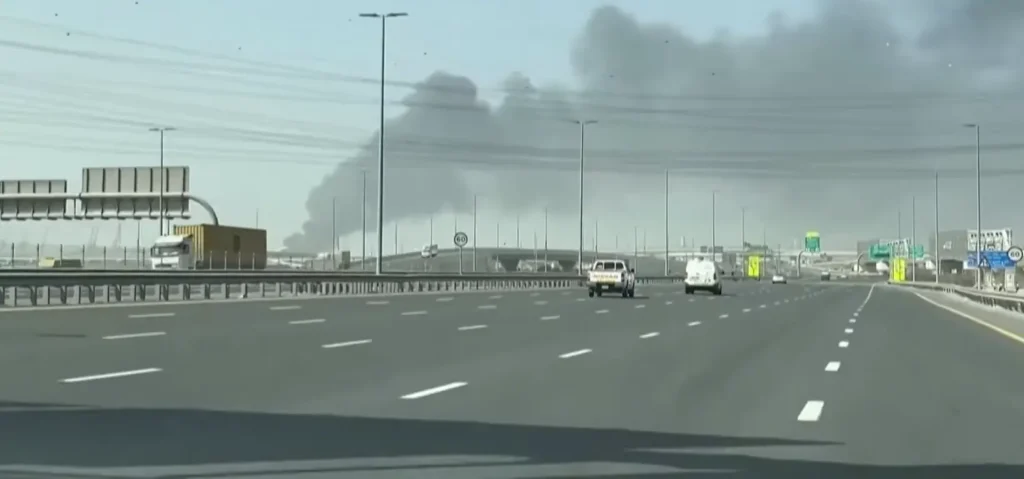
Iran has warned that it may launch new drone attacks on the United Arab Emirates (UAE) after the United States carried out heavy strikes on Kharg Island, a major hub oil export. This threat comes as the war between Iran, the United States, and Israel is growing stronger throughout the Middle East.
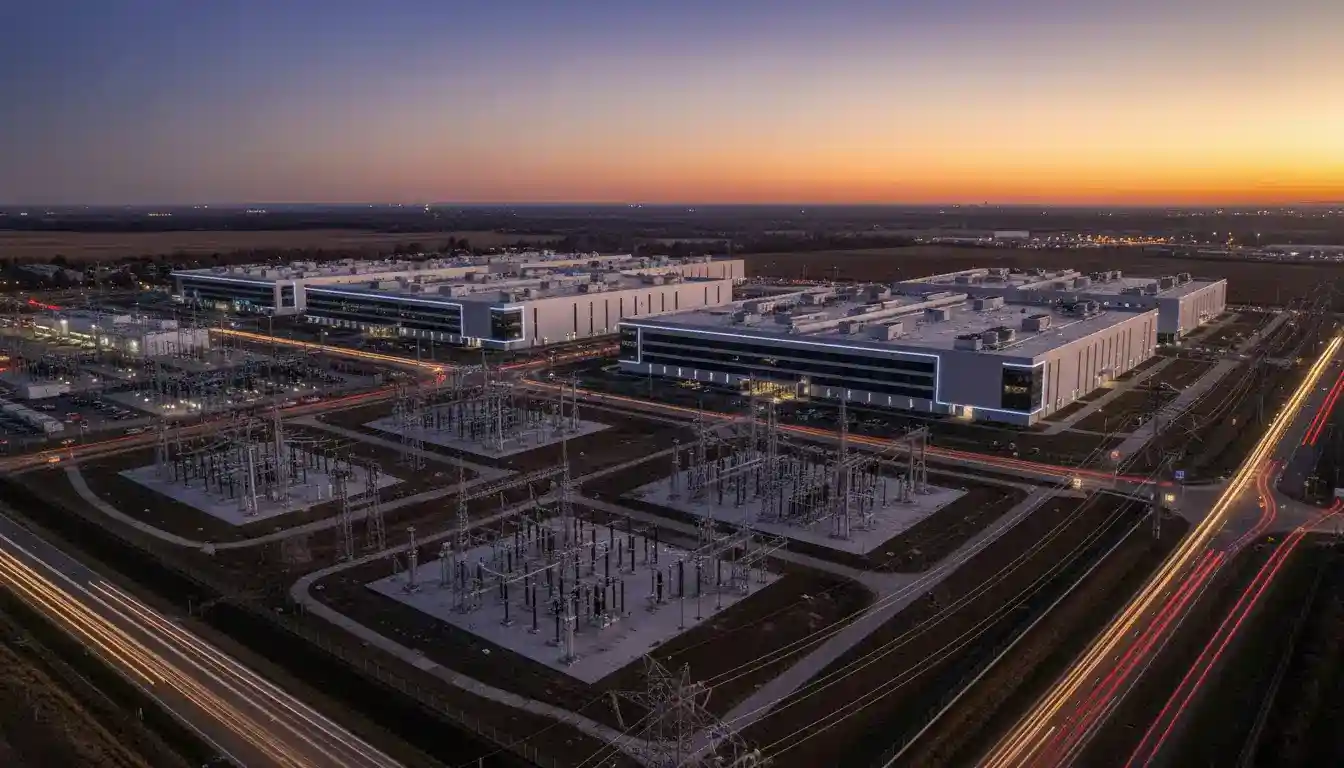
The UAE has been targeted several times during the conflict. Iranian forces have sent drones and missiles toward UAE cities and energy infrastructure, including oil facilities at Fujairah, which is one of the country’s biggest oil export points outside the Strait of Hormuz.
Iran’s statements say the new drone threats are a response to U.S. attacks on Iran’s oil and military facilities. Iranian officials have reported that U.S. forces used the UAE bases to launch strikes on Iranian territory, although these claims have not been independently confirmed. The UAE government has said that its territory is not part of the conflict.
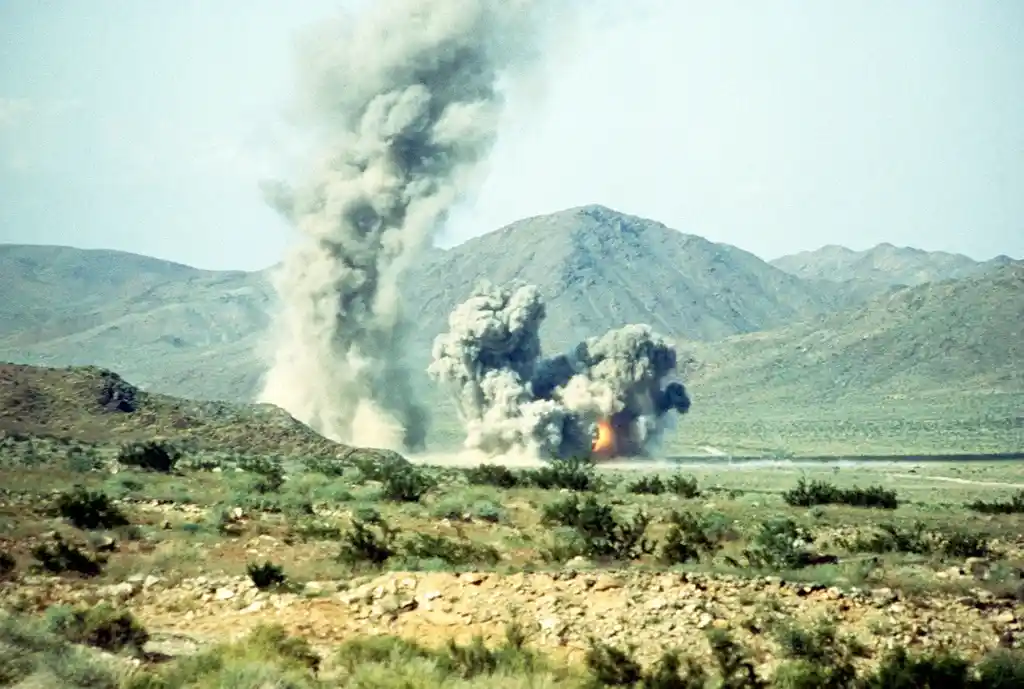
The warning about future drone attacks follows repeated drone and missile strikes launched by Iran since February 2026. According to official UAE reports, hundreds of Iranian missiles and drones have been intercepted by UAE air defenses, but some broken pieces has still fallen into populated areas in Dubai and Abu Dhabi, causing damage to buildings and roads.
The conflict has also affected daily life in the Gulf. Civilians have been asked to stay away from major ports and energy hubs because of the possibility of further attacks. Local officials have also asked people to leave areas near UAE oil ports like Jebel Ali, Khalifa, and Fujairah and to follow safety rules.
Iran’s strikes have not only hit the UAE. Several Gulf states, including Kuwait and Bahrain, have reported Iranian drone and missile activity, causing injuries and damage. These attacks show that the conflict has spread beyond the main fighting areas.
This war has also disrupted international shipping and trade. The Strait of Hormuz, a key shipping route used by oil tankers from the Gulf region, has almost stopped ship traffic because Iran has threatened to block passage for certain countries. This has caused worry about global energy supply and higher fuel prices for many countries that depend on oil from the Gulf.
The United States has responded by increasing its military presence in the region. President Donald Trump has deployed Marines and warships to protect shipping routes and counter threats from Iran. Trump has also called on other countries to help keep key sea route open and ensure that global energy supplies continue to flow.
World leaders are trying to find ways to calm the situation and protect civilians and energy supplies. Some are asking for diplomatic talks to reduce the risk of wider conflict, even as battles continue. Governments around the world are also warning their citizens to avoid travel to the region because of the ongoing threats and attacks.
The warning from Iran about possible new drone attacks on the UAE shows how the war is affecting both military and civilian sites. People in the Gulf and other countries are worried about what might happen next in the conflict, especially as tensions involve key global energy centers and trade routes.