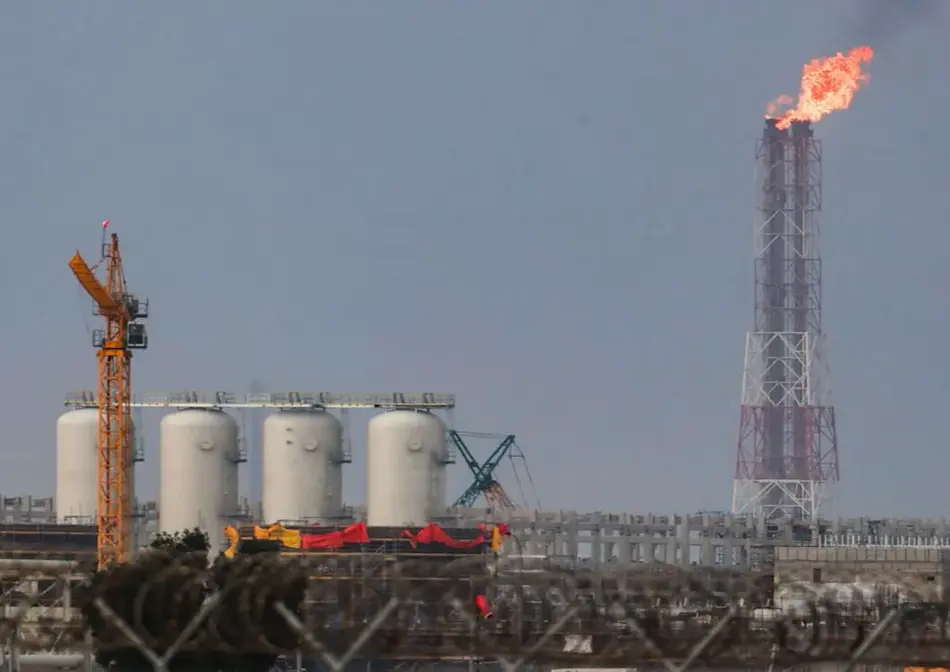
Qatar has reported serious damage to a major energy facility after an Iranian missile strike hit its Ras Laffan industrial area. This facility is home to the world’s largest liquefied natural gas (LNG) export plant, and the attack is seen as a major increase in ongoing regional conflict.
On March 18, 2026, Iran launched multiple missiles toward the Ras Laffan complex in Qatar. Qatar’s officials said four of the missiles were intercepted, but one hit the LNG facility, causing fires and heavy damage. No injuries were reported and all staff members were safe, according to Qatar’s energy company, QatarEnergy.
The Ras Laffan facility is one of the most important energy sites in the world. It produces a large share of the world’s LNG supply and was a major source of energy exports for many countries. Experts say damage to such a large plant could badly affect global gas markets and energy supplies in Europe and Asia.
Qatar condemned the strike and called it a violation of its national security. The country expelled Iran’s military and security officials, calling them persona non grata in response to the attack. Qatar’s leaders said the strike threatened both the Gulf region and global energy stability.
The attack happened as part of a wider increase in conflict between Iran and its regional rivals. It came after other strikes on energy facilities in the region, including similar missile arracks to facilities in the United Arab Emirates and Saudi Arabia. Officials in Abu Dhabi said that their Habshan gas facilities were also damaged by broken pieces from missiles that were intercepted, showing how the ongoing tensions are affecting major energy sites in the Gulf region.
Global energy markets reacted quickly. Oil and gas prices went up after the news of the strike. Experts warned that damage to such a major LNG facility could reduce the global supply of natural gas and cause higher costs for people and businesses that rely on fuel for electricity and heating.
QatarEnergy said firefighting efforts were successful in controlling most of the fires caused by the strike. Still, the company warned that repairing and restoring the damaged parts of the facility will take a lot of time and resources. This could mean that the plant may not be fully operational for several weeks or even months, which may slow down the supply of LNG to international markets.
Energy analysts say that if Ras Laffan’s output remains reduced, other LNG exporters may need to supply more gas to keep global markets stable. Some countries may face shortages or higher energy bills, especially those that heavily depend on imported gas.
After these attacks, several Gulf leaders have asked for calm but also called for stronger regional security arangements to protect important energy facilities. Diplomats are now discussing about ways to stop further strikes on civilian and economic sites.
This event shows how global energy supplies are effected when major production sites are damaged by conflict. Qatar is now working to repair its facilities, and leaders around the world are thinking about ways to protect energy systems and prevent similar threats in the future.